How Often Should You Test Your Electrical Installations?
Electricity powers almost every aspect of your daily routine. You rely on it to illuminate your home, run your business operations, and keep your essential appliances functioning smoothly. Because electrical cables sit hidden behind plasterboard and under floorboards, it is incredibly easy to forget about them. However, assuming your wiring is perfectly safe simply because your lights turn on is a dangerous mistake.
Electrical components degrade naturally over time. Continuous daily use, temperature changes, and environmental factors slowly wear down the protective insulation and internal connections. Left unchecked, this silent deterioration creates severe risks of property fires and life-threatening electrical shocks. Knowing exactly when to schedule professional testing is the absolute best way to protect your property and the people inside it.
This comprehensive guide explains the critical importance of regular electrical testing for both domestic and commercial properties. You will learn how frequent inspections prevent disastrous emergencies, ensure full legal compliance, and ultimately save you significant amounts of money. We will also outline the specific testing intervals recommended for different property types, so you always know when your next assessment is due.
Why Regular Electrical Testing is Absolutely Essential
Many property owners view electrical maintenance as an unnecessary expense until a serious fault actually occurs. This reactive approach leaves your home or business highly vulnerable. Proactive testing provides total peace of mind and delivers three massive benefits for your property.
Protecting People from Hidden Dangers
The primary purpose of any electrical inspection is to keep people completely safe. Faulty wiring is one of the leading causes of accidental fires across the country. A loose connection or a degraded wire can easily generate intense heat, quietly smouldering behind a wall until it suddenly ignites nearby building materials.
Furthermore, poor earthing arrangements expose your family members, tenants, or employees to severe electrical shocks. Regular testing identifies these invisible hazards long before they have the chance to cause physical harm. A qualified professional uses advanced diagnostic equipment to detect slight thermal changes and resistance issues that the human eye simply cannot see.
Preventing Costly Emergency Repairs
Paying for a routine electrical inspection costs significantly less than paying for emergency repairs after a sudden system failure. When an electrical fault forces your consumer unit to trip repeatedly, you lose access to essential power. For a homeowner, this means spoiled food and disrupted daily life. For a business owner, a sudden power failure means a massive loss of revenue and severe operational downtime.
During a routine test, an electrician will identify minor wear and tear, such as a degrading switch or a slightly loose terminal connection. Fixing these tiny issues on the spot prevents them from escalating into a catastrophic system failure. You save money by addressing the root cause early, rather than paying premium rates for an emergency callout in the middle of the night.
Meeting Strict Legal and Insurance Requirements
If you operate a commercial premises or rent out a residential property, you have a strict legal duty of care to ensure the environment is electrically safe. Failing to maintain your electrical installations can result in heavy financial penalties and even criminal prosecution.
Even if you simply own your own home, regular testing protects your financial investments. Most home insurance policies contain specific clauses requiring you to keep your property in a good state of repair. If an electrical fire destroys your building and the insurance investigator discovers you never maintained the wiring, your provider may completely refuse to pay out your claim. Having documented proof of regular inspections guarantees your insurance remains perfectly valid.
Understanding Electrical Installation Condition Reports
When you book a formal electrical inspection, the end result is an official document known as an Electrical Installation Condition Report. This comprehensive document serves as the ultimate health check for your entire electrical system.
The report details the exact condition of your consumer unit, the safety of your main earthing connections, and the integrity of the wires running through your walls. It uses a clear coding system to highlight any immediate dangers or areas that require improvement to meet current safety standards.
Holding a satisfactory Electrical Installation Condition Report proves that your property meets all national safety regulations. You must keep this document safe, as you will need to present it to insurance providers, prospective property buyers, or local housing authorities upon request.
Recommended Testing Intervals for Different Properties
The frequency of your electrical testing depends entirely on the type of property you own and how the building is currently used. Guidelines vary significantly between standard domestic homes, private rental accommodations, and busy commercial enterprises.
Guidelines for Residential Homeowners
If you own the house you live in, the general recommendation is to commission a full electrical inspection every ten years. A decade is a reasonable timeframe for normal wear and tear to affect your consumer unit and household sockets.
However, you should not wait a full ten years if you experience significant changes in your home. You must book an inspection immediately if you decide to purchase an older, previously owned property. You never truly know the history of the wiring or whether the previous owners carried out dangerous, amateur modifications. Additionally, you should request a thorough test before undertaking any major home renovations or adding significant new electrical loads, such as a large hot tub or an electric vehicle charging point.
Strict Rules for Private Landlords
The law places a much heavier burden of responsibility on private landlords. If you rent out a residential property, you must ensure the electrical installations are inspected and tested by a qualified person at least every five years.
You are legally required to provide a copy of the satisfactory condition report to your existing tenants within a month of the inspection. You must also supply a copy to any new tenant before they actually move their belongings into the property. If your inspection uncovers a dangerous fault, the law mandates that you must resolve the issue within four weeks to protect your tenants.
Compliance for Commercial Business Owners
Commercial environments place far more strain on electrical systems than domestic homes. Offices, retail shops, and restaurants use multiple high-draw appliances continuously throughout the working day. Because of this heavy usage, commercial properties generally require a full electrical inspection every five years.
However, specific commercial environments require even more frequent testing due to extreme operational risks. Industrial factories, agricultural buildings, and commercial spaces featuring swimming pools or heavy machinery often require inspections every three years or even annually. You must consult with a qualified electrical contractor to determine the exact legal testing requirements for your specific commercial sector.
Warning Signs That You Need an Immediate Inspection
While following the standard timeline is excellent practice, your electrical system may develop a sudden fault long before your next scheduled test. You must remain vigilant and call a professional immediately if you spot any physical warning signs.
If your lights constantly flicker or dim when you turn on a heavy appliance, your circuits are struggling to manage the electrical load. If you notice a distinct smell of burning plastic near your consumer unit or wall sockets, you have wires that are actively melting behind the plastic casing.
Furthermore, if your circuit breakers trip on a regular basis, do not simply reset the switch and ignore the problem. A tripping breaker is a vital safety mechanism telling you that a circuit is dangerously overloaded or experiencing a severe short circuit. You must treat all of these signs as urgent emergencies that require swift professional intervention.
What Happens During a Professional Electrical Inspection?
Understanding the inspection process helps to alleviate any concerns you might have about disruption to your daily routine. A proper electrical assessment is a thorough, systematic process carried out by highly trained specialists.
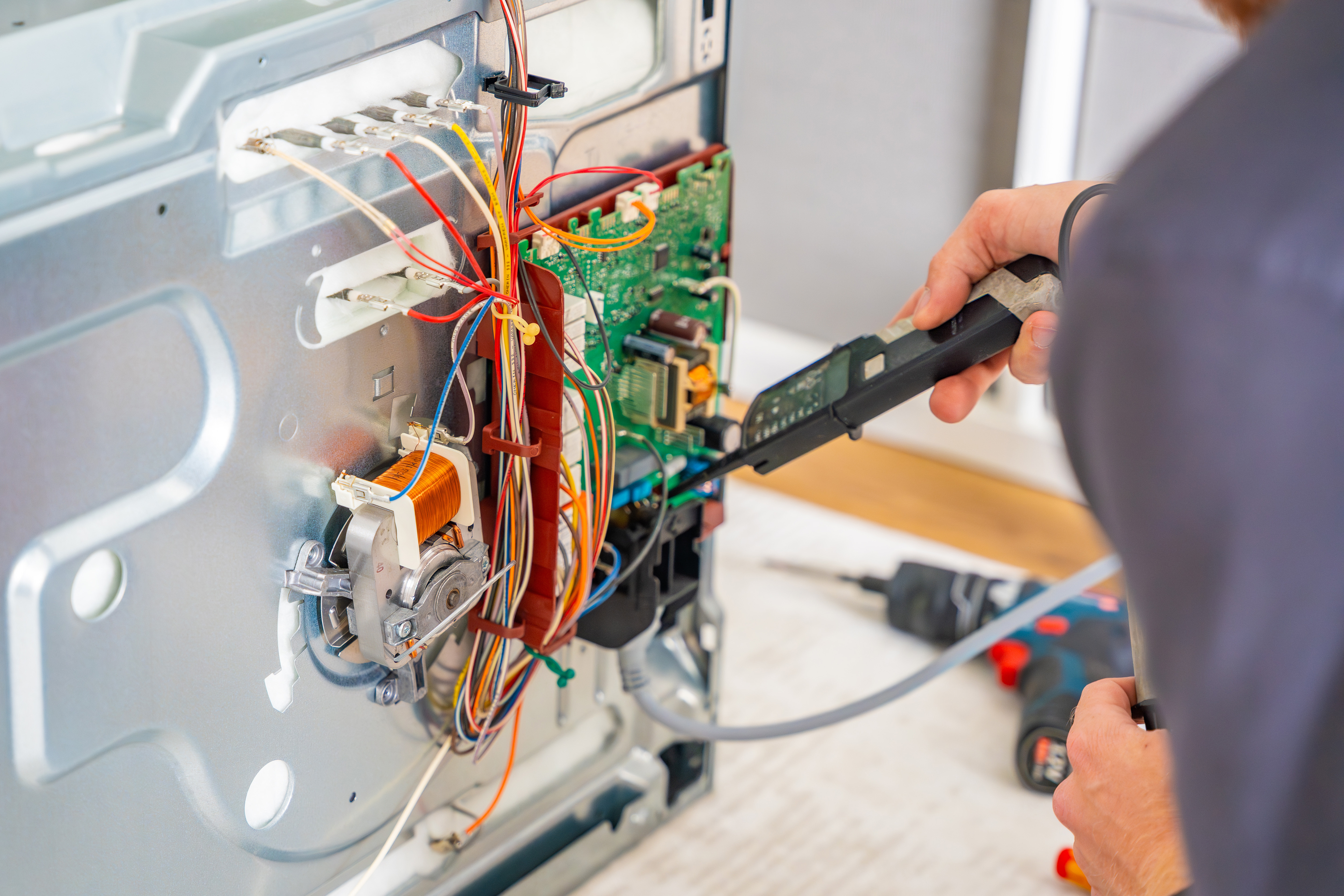
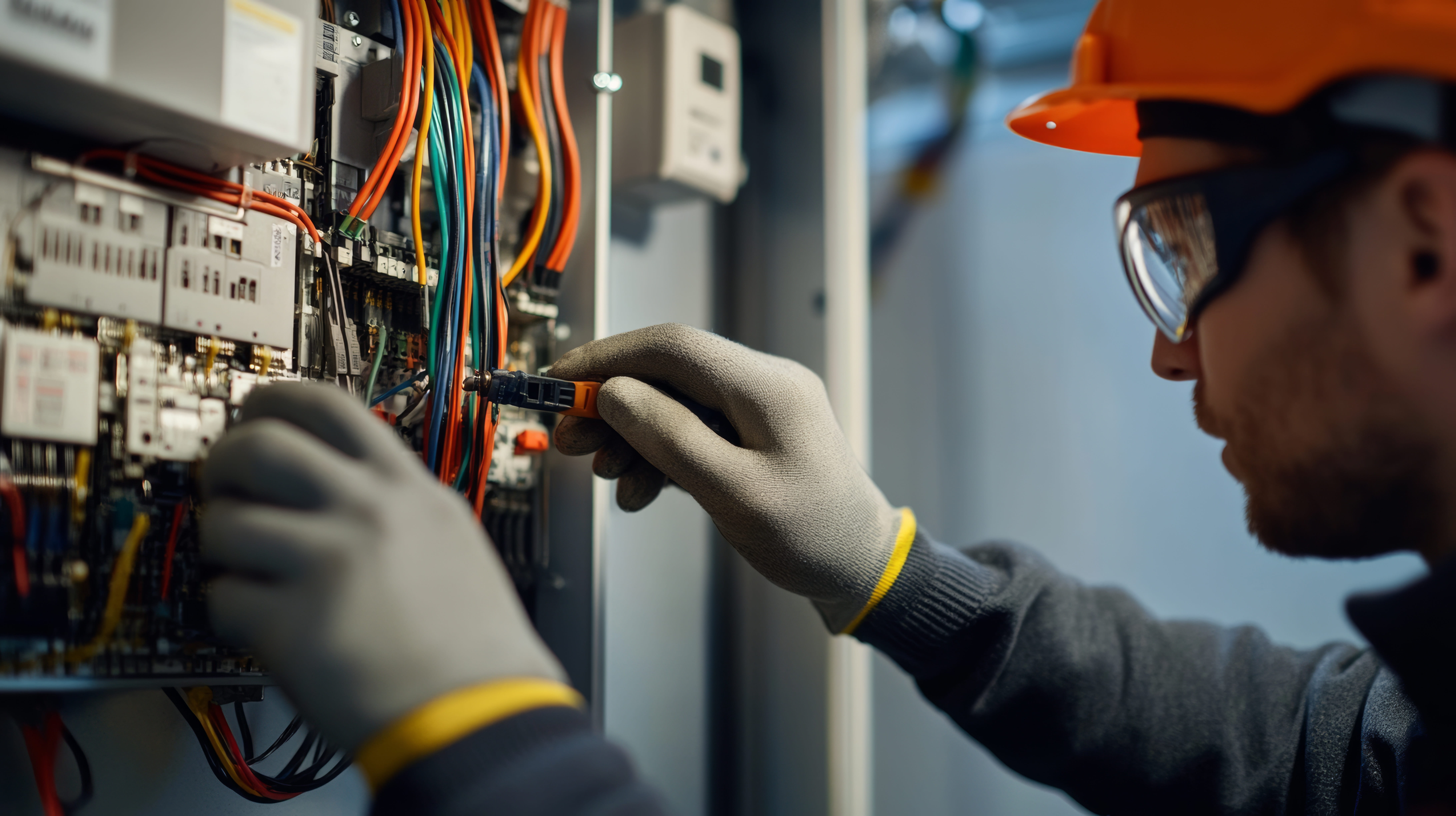
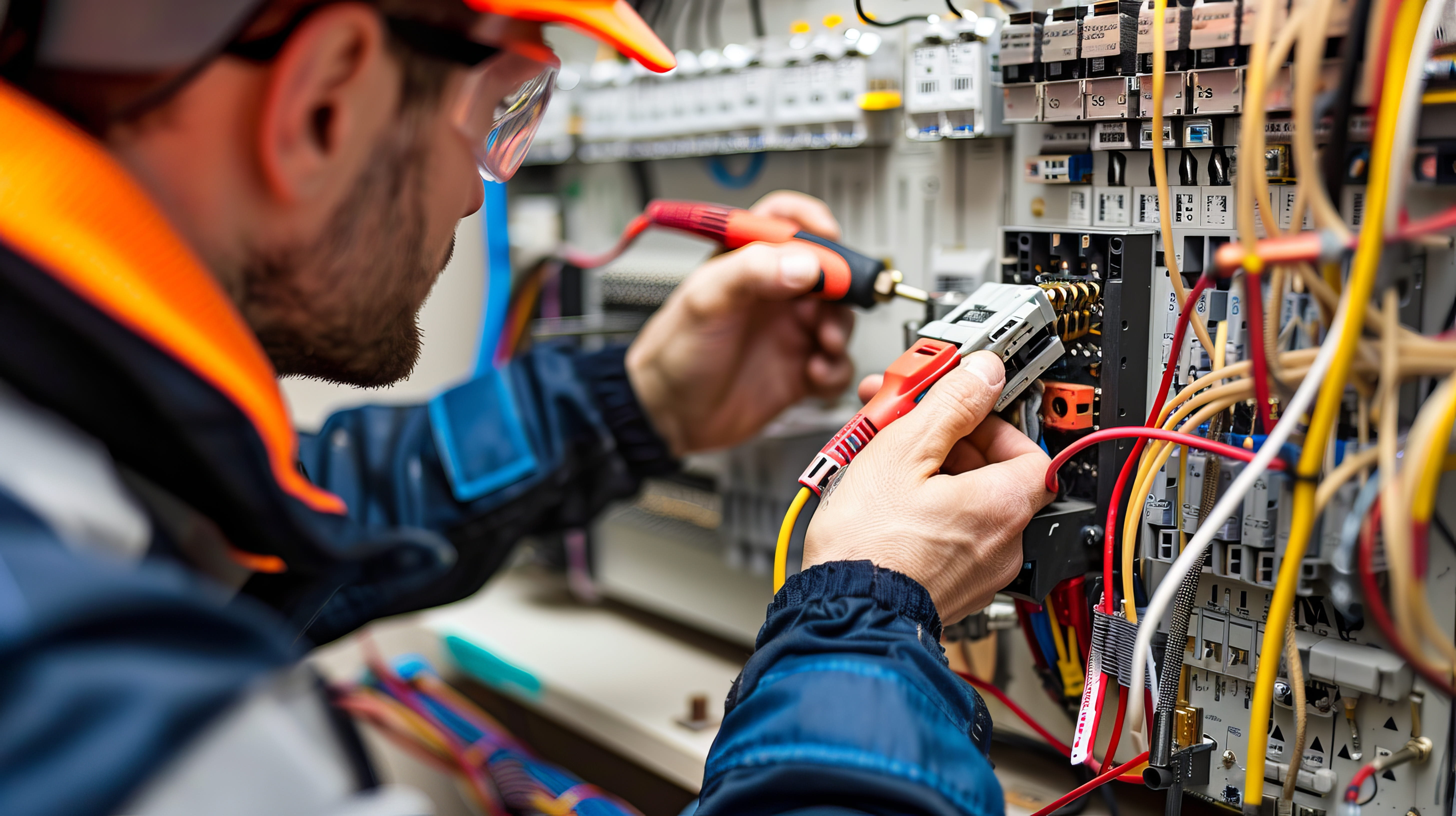
The electrician will begin with a comprehensive visual inspection. They will walk through your property looking for cracked sockets, damaged light fittings, and signs of thermal damage around the consumer unit. Following the visual check, they will disconnect the property from the main power grid to perform a series of dead tests. These tests measure the continuity of the hidden wires and ensure your earthing connections are completely solid.
Finally, the electrician will restore the power and conduct live testing. This ensures your safety switches trip within the correct millisecond timeframe to prevent a fatal shock. The entire process takes a few hours, depending on the size of your property, but it provides absolute certainty regarding your electrical safety.
Secure Your Property with Big Green Electrical
Maintaining the electrical safety of your home or business requires proactive planning and the support of dedicated professionals. By adhering to the correct testing intervals, you eliminate hidden hazards, prevent expensive operational downtime, and ensure you remain fully compliant with all building regulations.
Do not leave the safety of your property to pure chance. Whether you are a homeowner approaching your ten-year milestone, a landlord requiring a mandatory five-year report, or a business owner managing a busy commercial premises, you need a team you can completely trust.
At Big Green Electrical, our fully certified electricians possess the rigorous training required to conduct thorough, reliable electrical inspections. We provide transparent advice, precise testing, and comprehensive condition reports without using confusing technical jargon. If you are unsure when your property was last tested, or if you simply want total peace of mind, contact Big Green Electrical today to arrange your professional electrical inspection.