Commercial EICR Testing Guidelines for Workplace Compliance
As a corporate landlord, estate manager, or business owner, maintaining a safe workplace environment is one of your most important legal duties. While visible maintenance like decor and plumbing is easy to keep track of, the hidden electrical cabling, distribution boards, and sub-circuits powering your building require structured, professional verification.
An Electrical Installation Condition Report (EICR) is the formal legal document that confirms your commercial property's electrical infrastructure is safe, fully functional, and compliant with UK safety standards. Ignoring testing schedules can lead to unexpected power interruptions, severe legal liabilities, and invalidated property insurance.
In this guide, we outline current commercial EICR testing guidelines, explain recommended inspection intervals for different property types, and show you how staying compliant protects both your occupants and your business operations.
The Legal Framework for Commercial Electrical Compliance
In the UK, commercial electrical safety is governed by key legislation that places a direct duty of care on property owners, employers, and facilities leads:
- The Health and Safety at Work Act 1974: Mandates that employers must provide a safe working environment for employees, visitors, and contractors.
- The Electricity at Work Regulations 1989: Requires all electrical systems inside commercial premises to be maintained in a safe condition to prevent danger and electrical injury.
- BS 7671 Wiring Regulations: The national standard for electrical installations across the UK, setting technical rules for design, installation, and periodic testing.
Failing to provide evidence of regular electrical testing can result in enforcement action from the Health and Safety Executive (HSE), substantial fines, and difficulty settling insurance claims following an electrical event.
Recommended Commercial EICR Testing Intervals
Unlike domestic rental properties, which follow a simple five-year rule, commercial electrical testing frequencies depend on your building type, operational environment, and exposure to environmental wear.
According to standard UK safety guidelines, statutory testing intervals are structured as follows:
1. Standard Commercial Offices and Retail Stores
- Maximum Interval: Every 5 years (or upon a change of occupancy).
- Focus Area: Inspecting distribution panels, socket outlets, main switchgear, lighting circuits, and floor box wiring for hidden wear or thermal degradation.
2. Industrial Units, Warehouses, and Manufacturing Plants
- Maximum Interval: Every 3 years (with annual routine visual checks).
- Focus Area: Industrial environments involve heavy machinery, vibration, dust, and high current draws. Testing focuses on three-phase sub-mains, heavy containment, isolators, and motor control panels.
3. Public Venues, Restaurants, and Leisure Complexes
- Maximum Interval: Every 1 to 3 years depending on public footfall and humidity levels.
- Focus Area: High-occupancy or wet environments (such as commercial kitchens, gyms, and swimming pools) carry higher risks of moisture ingress and mechanical damage.
What Happens During a Commercial EICR Assessment?
A commercial EICR is a methodical inspection carried out by certified commercial electricians. To ensure minimal disruption to your daily operations, testing can be planned around your business hours.
The assessment consists of three key steps:
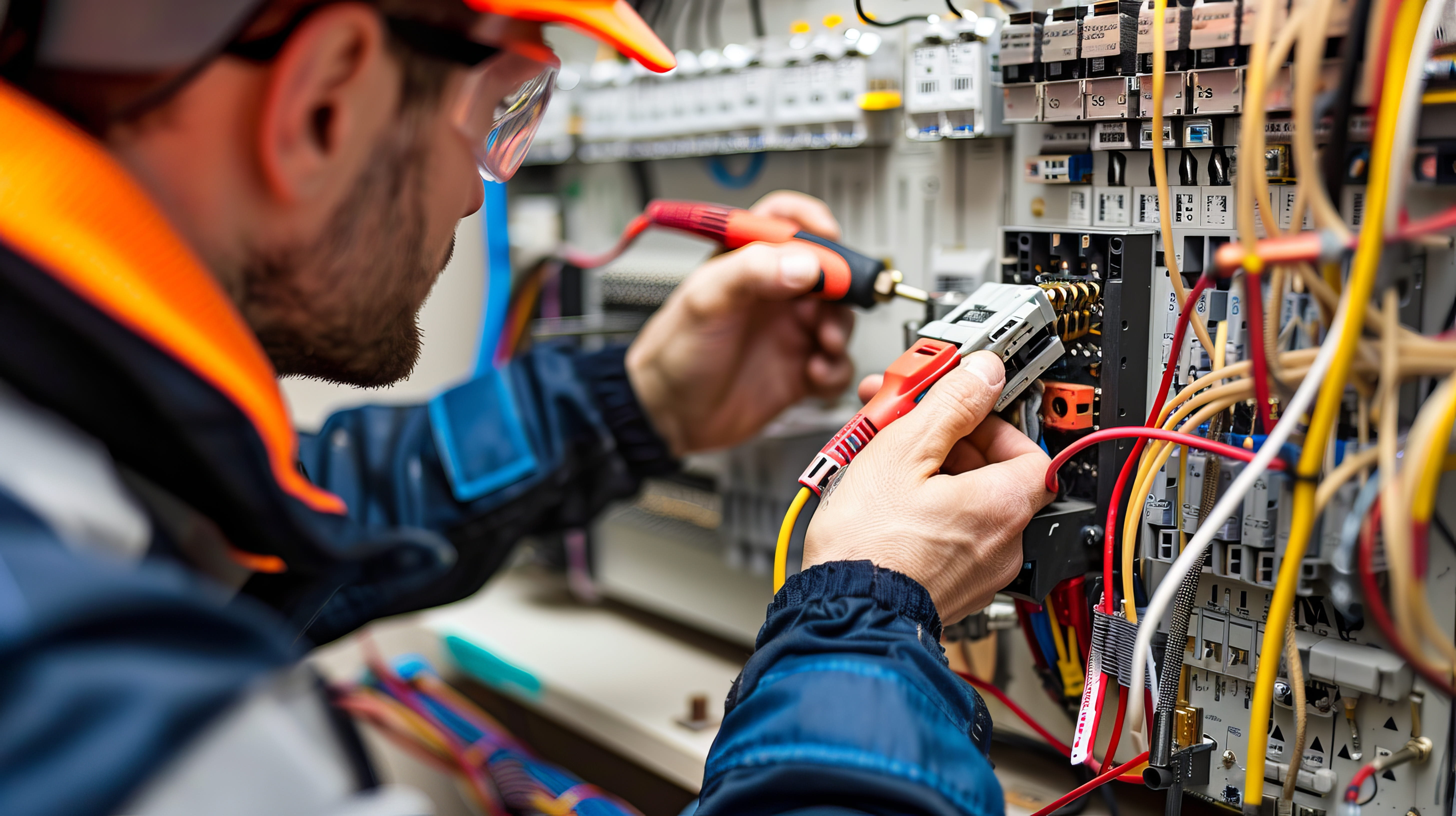
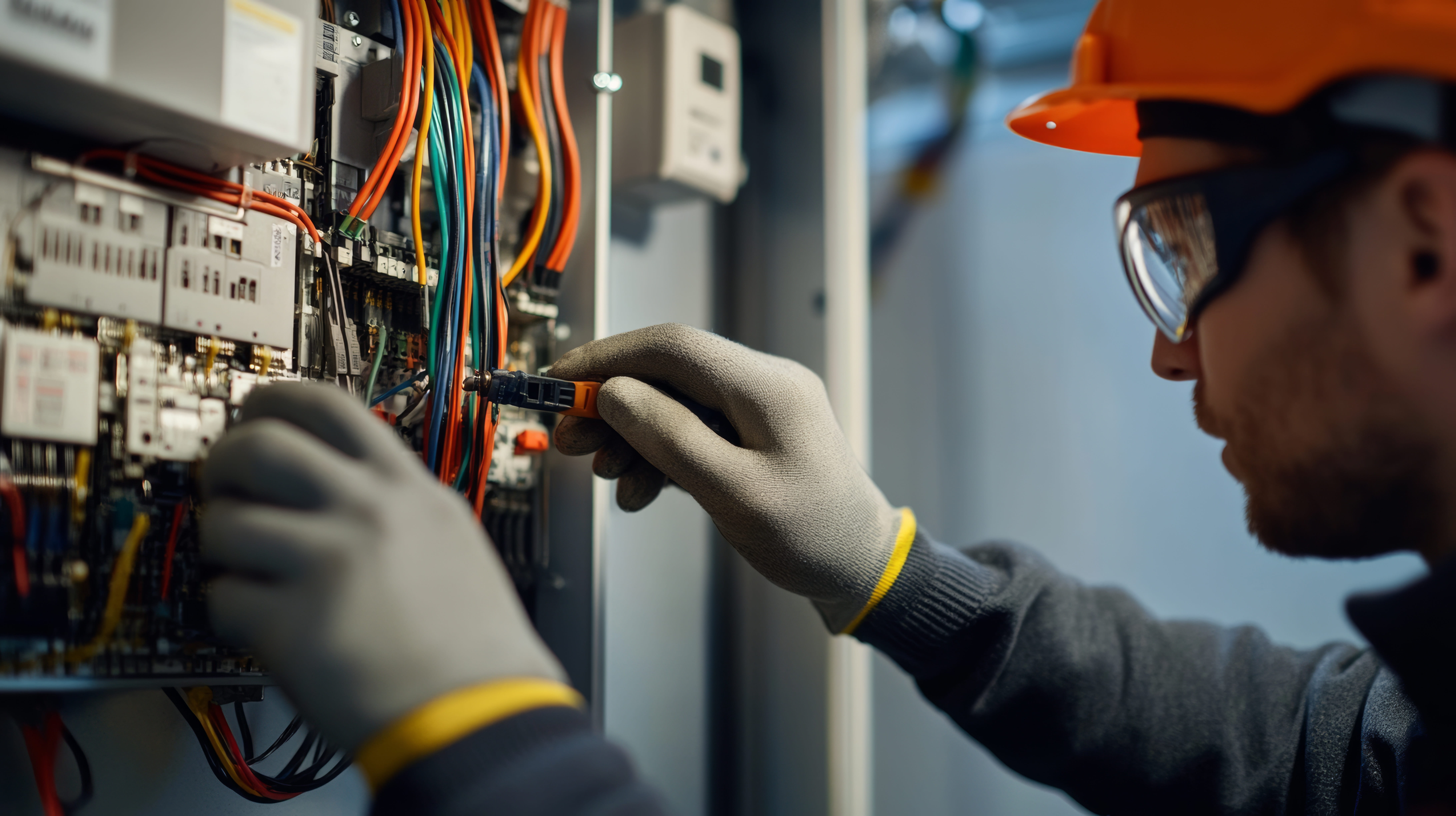
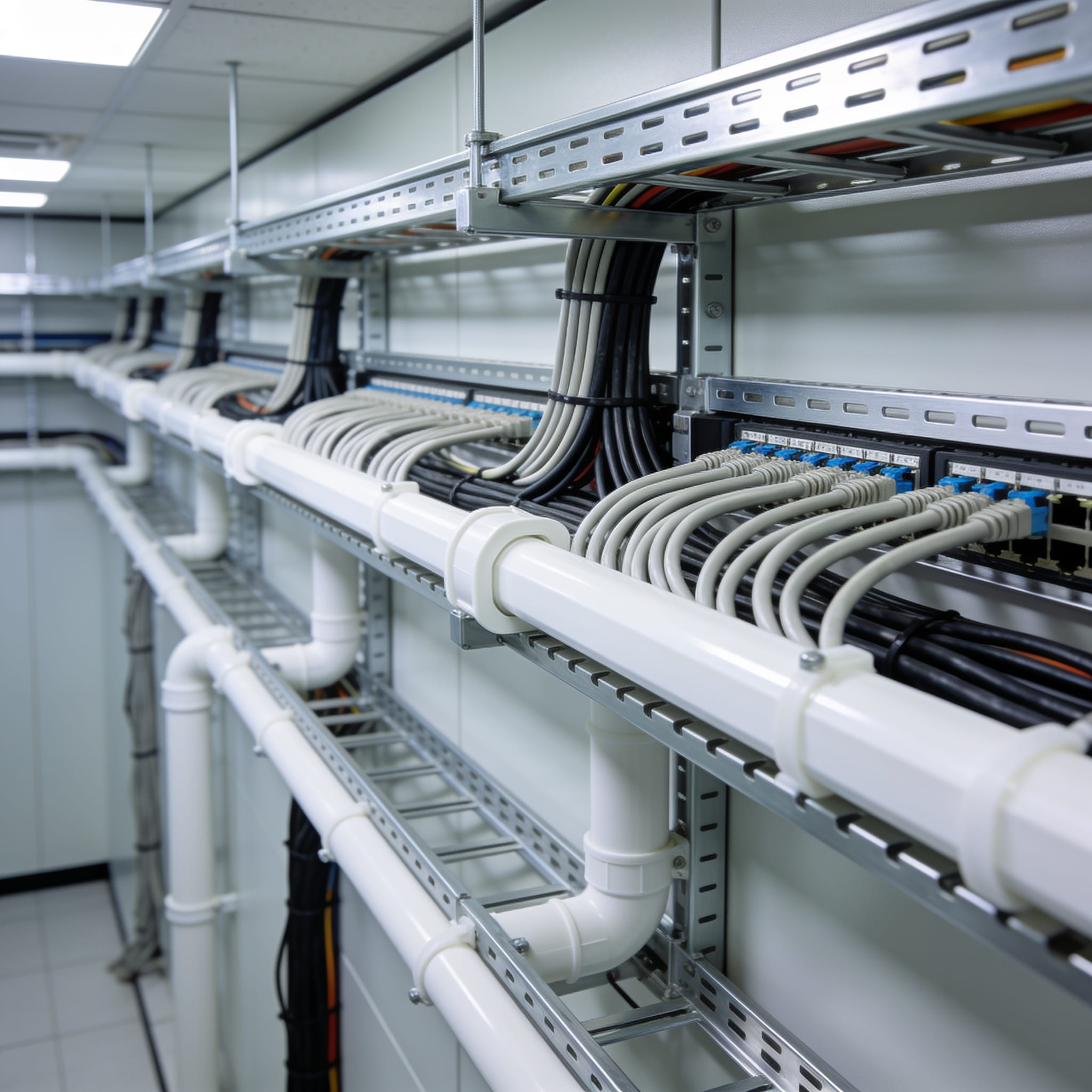
- Visual Inspection: Engineers examine enclosures, cable pathways, distribution equipment, earthing arrangements, and accessories for signs of physical damage, loose terminations, or thermal discolouration.
- Dead & Live Testing: Precision diagnostic instruments perform electrical tests on every circuit, including loop impedance, insulation resistance, polarity checks, and testing protective circuit breakers (RCDs and MCBs).
- Fault Classification (C1–C3): Findings are documented and assigned formal outcome codes before issuing your final Digital EICR Certificate.
Understanding EICR Classification Codes
Following the audit, you receive an official digital EICR certificate detailing the safety status of your property. Any identified defects or non-compliances are coded according to their severity:
- Code C1 (Danger Present): Extreme hazard. Immediate risk of injury or electrical shock. Requires urgent remedial action while the engineer is on site.
- Code C2 (Potentially Dangerous): Urgent defect. Requires prompt remedial action to prevent risk to safety.
- Code C3 (Improvement Recommended): Minor non-compliance or aesthetic observation that does not breach core safety thresholds.
- FI (Further Investigation): An area of the installation that could not be fully inspected and requires further investigation without delay.
If your report receives an Unsatisfactory result due to C1 or C2 codes, corrective remedial work must be completed promptly to achieve a Satisfactory compliance certificate.
The Value of Proactive Compliance
Staying up to date with your commercial EICR schedule is more than just ticking a regulatory box. It provides genuine operational advantages:
- Uninterrupted Insurance Coverage: Most commercial property insurers require a valid EICR to maintain full building insurance policies.
- Prevents Downtime and Equipment Damage: Detecting loose connections or overloaded circuits early prevents sudden power cuts and expensive hardware failures.
- Smooth Lease Handovers: Having clean, certified documentation ensures seamless transitions during tenant check-ins or property sales.
Partner with Big Green Electrical
At Big Green Electrical, we make commercial compliance straightforward and stress-free. Our NICEIC-approved engineers conduct thorough, polite, and efficient inspections tailored to your business schedule, providing clear digital documentation backed by honest guidance.
Contact our friendly compliance team today to schedule your building inspection, or review our corporate com