How Often Does a Commercial Property Need an EICR?
Electrical safety is one of the most critical operational responsibilities for facilities managers, commercial landlords, and estate officers across Surrey, Hampshire, and Berkshire. While the wiring inside a building is largely hidden behind walls, under floorboards, and above ceiling tiles, it is constantly under stress from heavy daily usage, environmental factors, and thermal changes.
Over time, electrical installations naturally deteriorate. Switches wear out, connections loosen, insulation degrades, and unrecorded modifications by previous tenants can leave hidden hazards. Carrying out a commercial Electrical Installation Condition Report (EICR) ensures that your fixed electrical systems remain safe, functional, and fully compliant with UK law.
A common question among property leads is how frequently an EICR must be carried out. In this guide, we explain the legal requirements, sector-specific inspection intervals, how to interpret observation codes, and how planned testing keeps your workplace safe with minimal disruption.
Legal Requirements and Statutory Responsibilities
Unlike residential lettings, where a five-year testing cycle is explicitly mandated by specific residential regulations, commercial properties are governed by a broader framework of statutory health and safety legislation.
The Electricity at Work Regulations 1989
The primary legislation covering electrical safety in commercial premises is the Electricity at Work Regulations 1989. Regulation 4(2) states that all electrical systems must be maintained in a safe condition to prevent danger to employees, visitors, and tenants.
Because fixed electrical wiring degrades over time, regular inspection and testing is recognised as the standard way to prove compliance with this legal duty.
The Health and Safety at Work etc. Act 1974
Under Section 2 of this Act, employers carry a legal duty of care to ensure, as far as is reasonably practicable, the health, safety, and welfare of all employees. A major electrical fault that leads to a fire or shock injury can result in severe legal penalties, enforcement notices, or prosecution by the Health and Safety Executive (HSE) if regular maintenance and testing cannot be demonstrated.
Commercial Insurance Compliance
Beyond statutory law, commercial property insurance policies almost universally mandate periodic electrical testing. In the event of a fire caused by an electrical fault, loss adjusters will routinely request a current, satisfactory EICR. If your certificate has expired or contains unaddressed urgent defect codes, your insurance provider may refuse to pay out for damages, business interruption, or third-party liability claims.
Recommended EICR Frequencies by Sector
The recommended maximum interval between formal electrical inspections depends heavily on how a building is used, its environmental conditions, and the level of risk involved. BS 7671 (the IET Wiring Regulations) provides clear guidance on maximum testing intervals across different commercial sectors.
1. Offices, Retail Stores, and Commercial Premises (Maximum 5 Years)
Standard commercial office environments, retail outlets, and administrative facilities carry a maximum recommended inspection interval of 5 years, or upon a change of tenancy. Because these environments generally feature lower physical risk and stable ambient temperatures, a five-year cycle is usually sufficient to maintain safety, provided routine visual checks are carried out.
2. Educational Estates, Colleges, and Public Buildings (Maximum 5 Years)
Schools, academies, and higher education facilities also operate on a 5-year maximum testing cycle. However, due to heavy student footfall and continuous access, many facilities managers choose to split testing across an annual 20% rolling programme during holiday periods to ensure continuous safety without overwhelming teaching schedules.
3. Industrial Facilities, Factories, and Workshops (Maximum 3 Years)
Industrial sites, manufacturing plants, and mechanical workshops experience far greater physical wear and tear. Heavy machinery, constant vibration, dust, moisture, and high electrical loads cause cabling and switchgear to degrade much faster than in an office setting. As a result, the maximum recommended EICR interval for industrial premises is 3 years.
4. High-Risk and Special Environments (1 Year or Less)
Certain commercial and public sectors carry elevated safety risks due to extreme dampness, public gatherings, or flammable materials. These require much shorter inspection cycles:
- Commercial Swimming Pools and Spas: 1 year (due to high moisture, steam, and corrosive chemicals).
- Cinemas, Theatres, and Public Entertainment Venues: 1 year (due to high public occupancy and temporary lighting setups).
- Petrol Filling Stations and Agricultural Sites: 1 year (due to flammable atmospheres, pest risks, and harsh washdown environments).
Understanding EICR Observation Codes
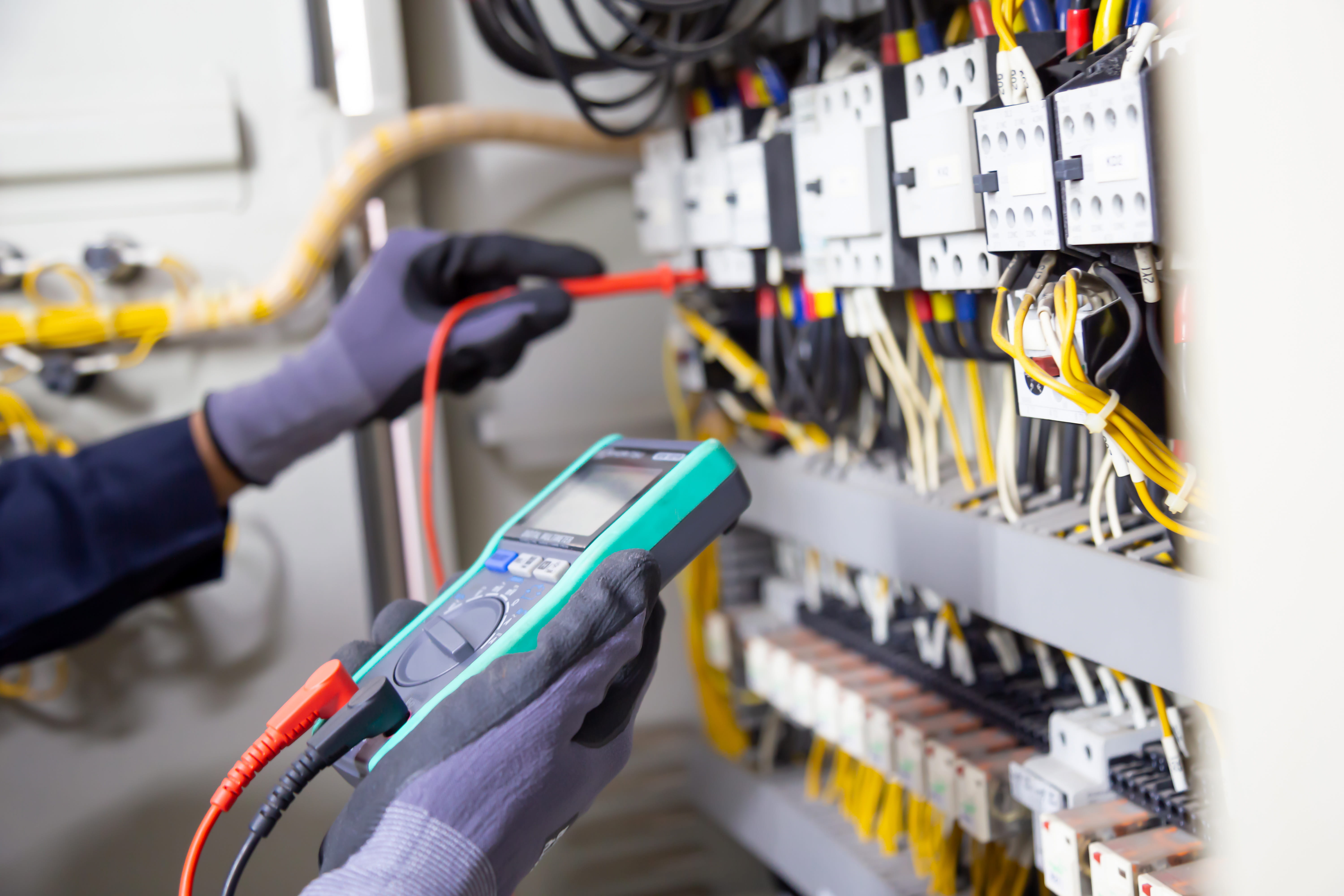
During an EICR, a qualified commercial electrician carries out a series of dead and live tests across your distribution boards, sub-mains, and final circuits. Any observed defects, damage, or non-compliance with BS 7671 are recorded on the report using four main observation codes:
- Code C1 (Danger Present): Indicates an immediate threat to life or property. Examples include exposed live conductors, broken accessories, or severely burnt components. The inspector will isolate the affected circuit immediately to render it safe. Overall report result: Unsatisfactory.
- Code C2 (Potentially Dangerous): Highlights a defect that does not pose an immediate danger, but could become dangerous in the event of a minor fault or change in conditions. Examples include inadequate earthing or missing protective barriers inside a panel board. Overall report result: Unsatisfactory.
- Code C3 (Improvement Recommended): Identifies a non-compliance with current BS 7671 regulations that is not dangerous, but where an upgrade would improve safety. Overall report result: Satisfactory (informational only).
- Code FI (Further Investigation Required): Used when an inspector discovers an anomaly that cannot be fully verified without further investigation or isolation outside the agreed testing plan. Overall report result: Unsatisfactory.
What Makes an EICR Unsatisfactory?
If an EICR contains any C1, C2, or FI codes, the overall result of the report is formally classed as Unsatisfactory. To achieve compliance, remedial work must be carried out to rectify all C1 and C2 defects, after which a Certificate of Remedial Works or a fresh satisfactory EICR can be issued. C3 codes do not make a report unsatisfactory on their own.
Phased and Rolling EICR Programmes for Busy Commercial Sites
For large commercial complexes, multi-storey office blocks, or 24-hour manufacturing facilities, testing 100% of the electrical installation in a single visit can feel daunting due to the required circuit isolations.
To manage this practical challenge, many facilities teams adopt a phased rolling testing programme (for example, testing 20% of the installation every year over a 5-year cycle).
Advantages of a Rolling Testing Schedule
- Budget Management: Spreads compliance expenditure evenly over annual operating budgets rather than incurring a large single expense every three or five years.
- Continuous Monitoring: Ensures an electrician inspects part of your site every year, catching emerging defects or physical damage much earlier.
- Reduced Operational Disruption: Focuses circuit isolations on small, specific zones or floors at a time, making it much easier to coordinate around staff schedules and business operations.
What to Expect During a Commercial EICR Inspection
A thorough commercial EICR involves two main phases: visual inspection and physical testing.
- Agreed Scope and Testing Plan: Before work begins, the testing team meets with your facilities lead to review single-line diagrams, identify critical circuits (such as server rooms or cold storage), and agree on the timing of any necessary power isolations.
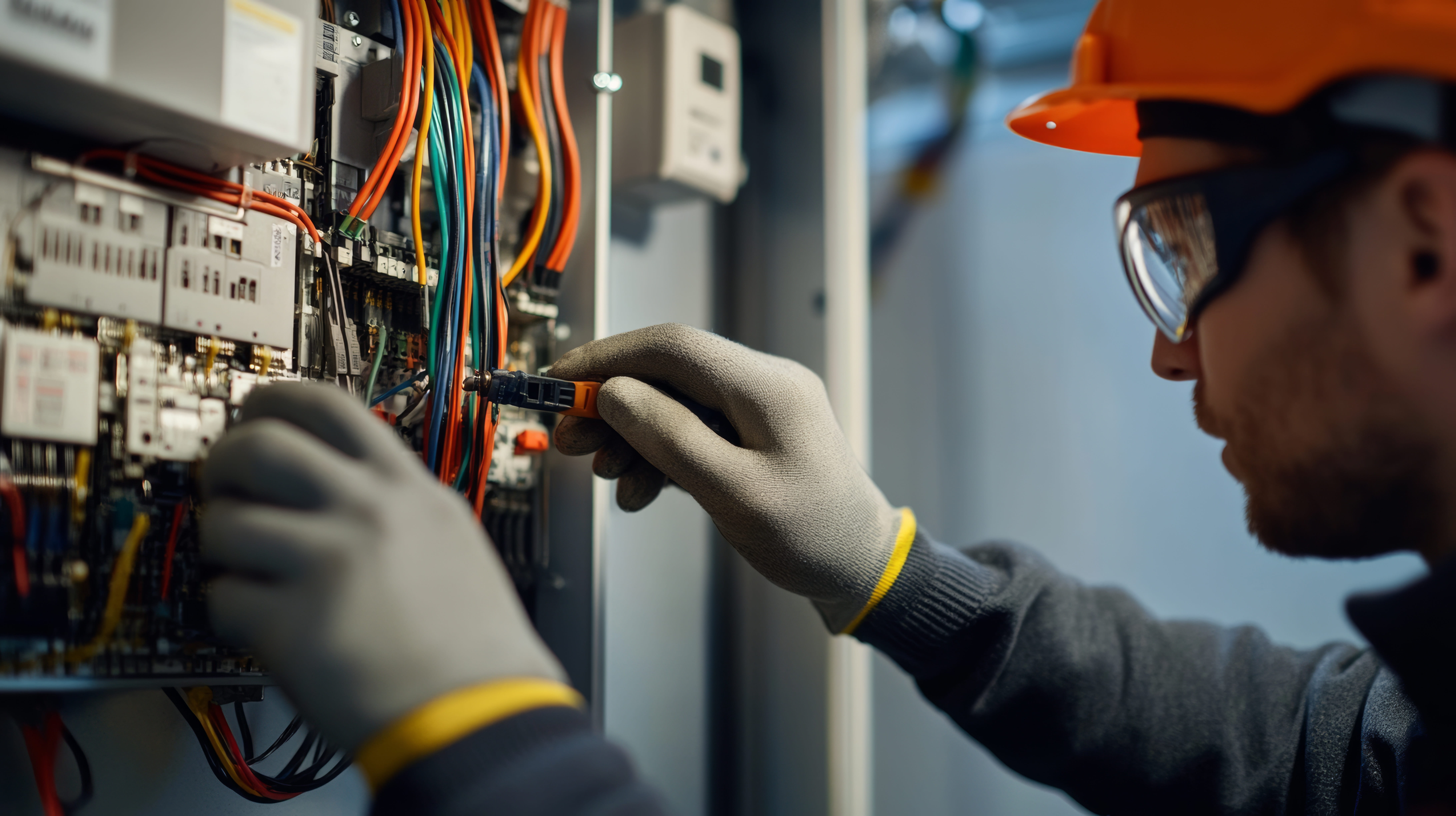
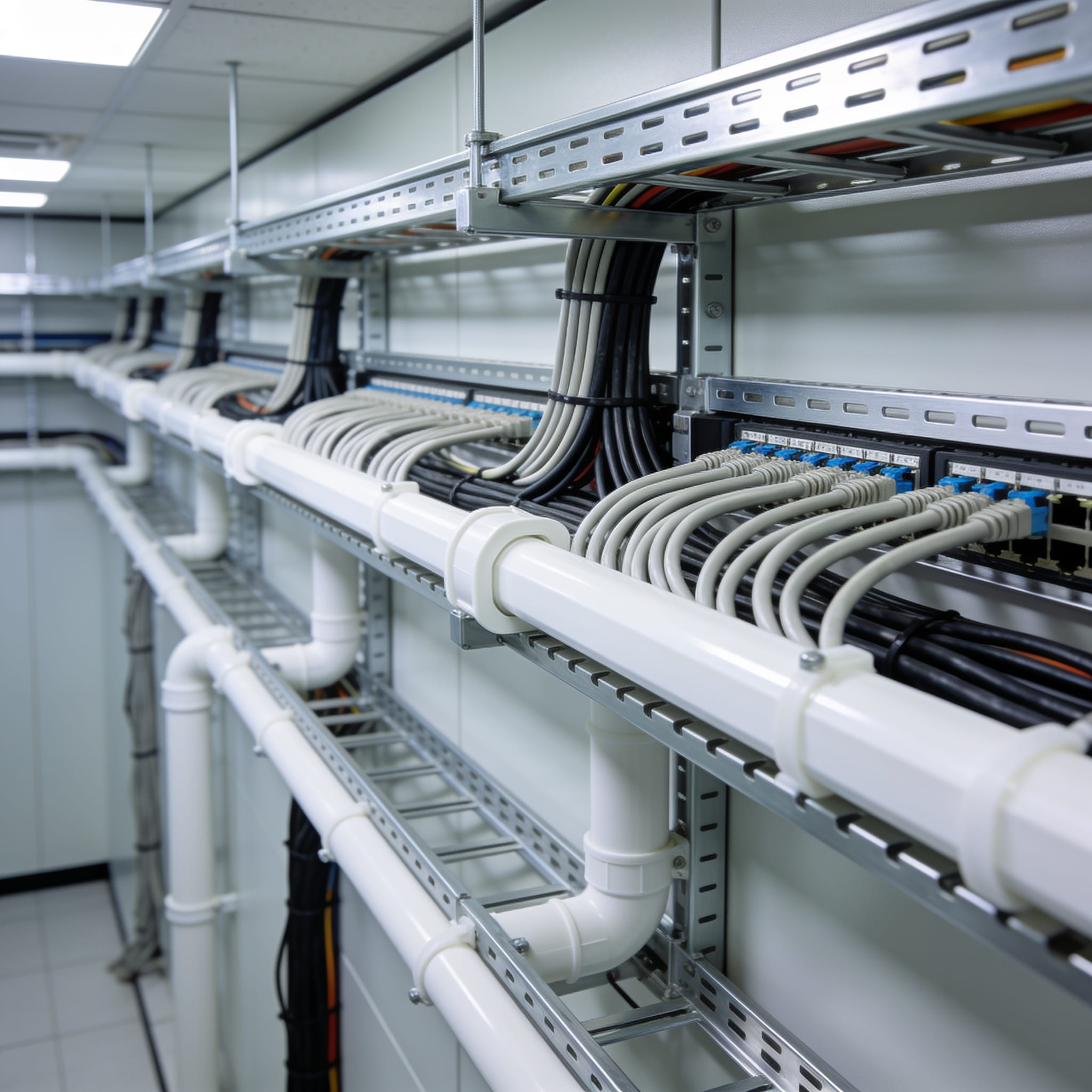
- Visual Inspection: Electricians check cable containment, distribution boards, switchgear, light fittings, and socket outlets for signs of thermal damage, wear, or physical deterioration.
- Dead Testing: Circuits are safely isolated to test continuity of protective conductors, ring final circuit integrity, and insulation resistance between conductors.
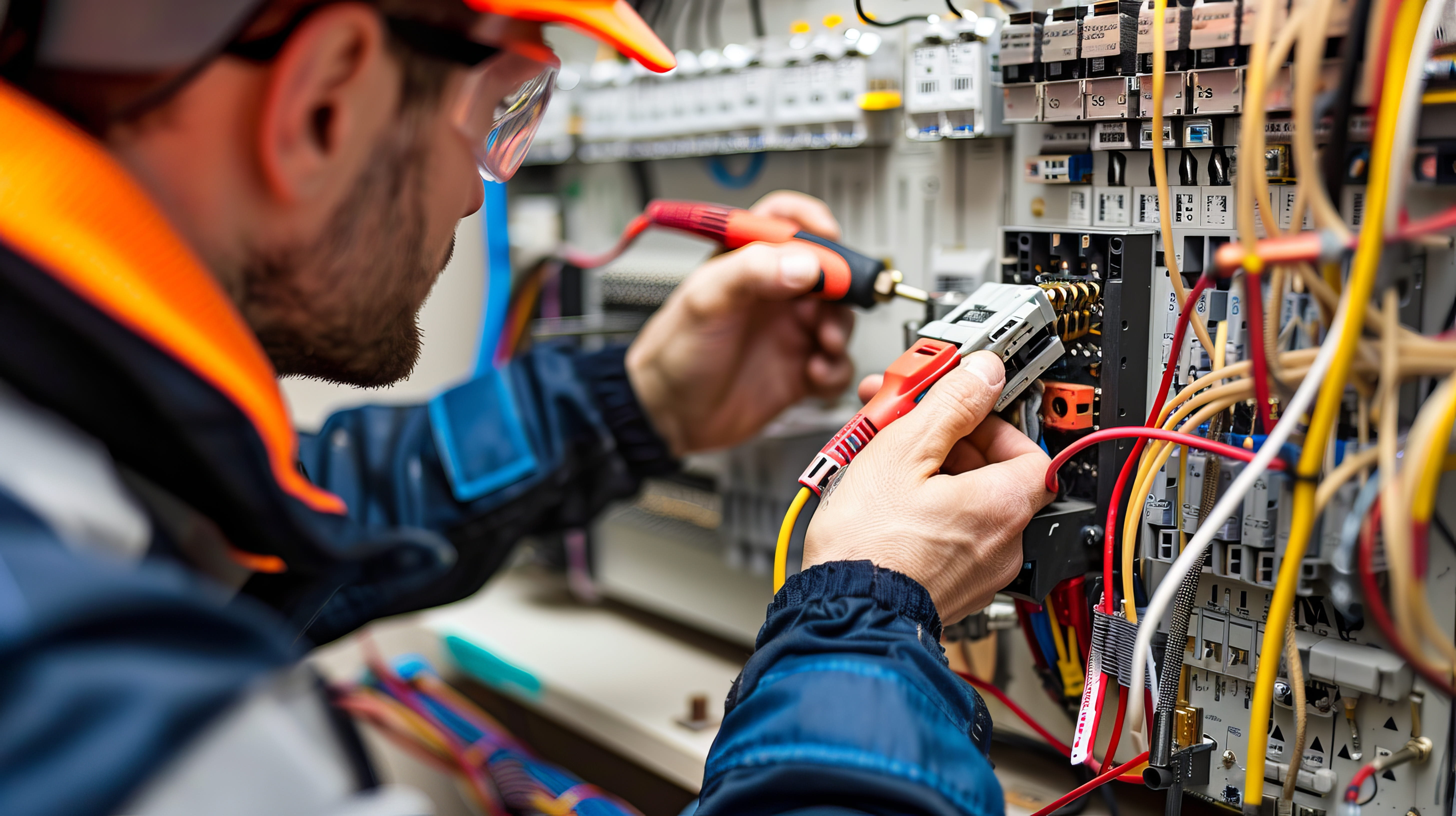
- Live Testing: With power restored briefly, tests are conducted to verify earth fault loop impedance, prospective fault current, and the tripping times of RCDs and circuit breakers.
- Documentation and Certification: The results are compiled into a comprehensive digital EICR, detailing circuit schedules, test values, and a full summary of any observation codes.
During physical testing, brief power interruptions to individual circuits are necessary. An experienced commercial electrical team will carefully plan and coordinate all work in advance with your facilities team, agreeing on the most suitable timings to keep the impact on your staff and day-to-day operations to a minimum.
Summary
Regular electrical compliance testing is a vital part of managing any commercial property. Understanding your building's required testing interval, whether 5 years for an office, 3 years for an industrial unit, or 1 year for a high-risk environment—ensures that your business remains safe, fully insured, and compliant with UK health and safety law.
If your commercial property's EICR is due for renewal, or if you want to establish a planned testing schedule for your estate, reviewing your current electrical documentation is the best place to start. Keeping your compliance records up to date provides total peace of mind for your management team, staff, and visitors alike.