Why UK Businesses Are Investing in Commercial Battery Storage Systems
Managing electricity expenditure has become a critical operational challenge for commercial property managers, operations directors, and facilities teams across Surrey, Hampshire, and Berkshire. Over the past few years, unpredictable wholesale energy prices and rising network distribution charges have turned energy management from a background administrative task into a strategic priority.
For facilities operating heavy machinery, cold storage, extensive IT infrastructure, or climate control systems, electricity drawn during peak daytime hours represents a substantial ongoing cost. As a result, commercial battery energy storage systems (BESS) have moved from a niche green initiative to a proven, practical investment that gives businesses direct control over how and when they buy, store, and use power.
In this guide, we break down how commercial battery storage works, the key economic mechanisms behind energy cost savings, key technical considerations for site feasibility, and what to expect during a typical installation project.
Understanding Commercial Battery Storage: How It Works
At its core, a commercial battery storage system captures electrical energy from the grid or an on-site renewable source, stores it in high-capacity battery cells, and discharges that power when your facility needs it most.
A typical commercial installation consists of four main components:
- Battery Rack Assembly: Usually built using Lithium Iron Phosphate (LFP) chemistry. LFP is widely favoured in commercial settings due to its high thermal stability, safety profile, and long cycle life, often exceeding 6,000 to 8,000 charge cycles.
- Bi-Directional Commercial Inverter: Converts direct current (DC) electricity stored in the batteries into three-phase alternating current (AC) used by your main distribution switchboard, and vice versa when charging.
- Energy Management System (EMS): The intelligent software hub that monitors your building's real-time power draw, incoming grid tariffs, and solar generation. It automatically decides when to charge, hold, or discharge power to deliver maximum cost savings.
- Protective Switchgear and Isolation: Dedicated circuit breakers, switch-disconnectors, and safety monitoring devices that connect the battery system safely into your building's main electrical infrastructure.
AC-Coupled vs DC-Coupled Battery Systems
When planning a commercial installation, one of the first technical decisions involves choosing between an AC-coupled or DC-coupled system layout:
- AC-Coupled Systems: The battery connects directly to your main AC distribution board via its own dedicated inverter. This setup is ideal for retrofitting battery storage onto an existing commercial building, or when the primary goal is charging from low-cost off-peak grid tariffs.
- DC-Coupled Systems: The battery shares an inverter directly with a commercial solar PV array before power reaches the AC switchboard. This configuration is highly efficient for new solar installations because it reduces power conversion steps, preserving more generated green energy.
The Economic Drivers: Four Ways Batteries Lower Commercial Bills
Commercial battery systems deliver financial returns through several distinct operational mechanisms. Depending on your building's usage profile and tariff structure, these financial mechanisms can be combined to accelerate payback.
1. Peak Shaving and Demand Surcharge Reduction
Electricity suppliers and distribution network operators charge commercial consumers based on peak power demand. If your facility turns on high-draw machinery or large HVAC units simultaneously, your site creates a short, sharp demand spike.
Peak shaving uses the battery system to cover those demand spikes automatically. When building load sensors detect power drawing above a set threshold, the battery discharges to absorb the extra load. Because your building never breaches its target grid threshold, you avoid expensive peak demand surcharges and Distribution Use of System (DUoS) Red Band rates.
2. Off-Peak Energy Arbitrage
Energy tariffs vary significantly between daytime hours and overnight off-peak windows. Through energy arbitrage, your system charges from the grid overnight when wholesale rates are lowest. During the following day, when grid rates jump to their highest level, the battery discharges to power your machinery, lighting, and administrative networks.
3. Maximising Commercial Solar PV Self-Consumption
If your building already features a rooftop solar array, you may generate considerable surplus electricity during sunny weekends or midday periods. Exporting this electricity back to the grid yields relatively low feed-in returns compared to the cost of buying grid electricity during operational hours.
A battery storage system captures this excess solar output on site. Instead of selling green power cheaply, you store it to run early morning or late afternoon operations, keeping more of your self-generated energy inside your business.
4. Revenue from Grid Services and Flexibility Schemes
For larger commercial sites with storage capacities exceeding 100 kWh, battery assets can participate in national grid balancing schemes and local flexibility markets. By agreeing to adjust your battery charge or discharge cycles during periods of high grid stress, your business can earn supplementary income from network operators.
Operational Resilience and Power Quality
Beyond direct utility savings, commercial battery storage solves everyday power quality issues that plague industrial and commercial estates.
Smoothing Voltage Sags and Spikes
Commercial facilities located on busy industrial parks often experience voltage sags or electrical noise caused by neighbouring heavy equipment. These subtle power fluctuations can cause sensitive automated machinery, PLC units, and IT server networks to reset unexpectedly. High-capacity battery systems act as a buffer, helping to smooth out voltage variations and deliver stable power across your distribution boards.
Uninterruptible Power Supply (UPS) Support
When integrated with automated changeover switchgear, a commercial battery system functions as a robust emergency power source. In the event of a local grid failure, the system can isolate your facility from the grid in milliseconds and continue powering critical loads such as cold storage, security networks, emergency lighting, and administrative servers.
Key Factors When Evaluating Site Feasibility
Before committing to a battery storage project, operations managers should evaluate several practical and regulatory requirements.
Physical Location and Space Requirements
Commercial battery systems range in size from compact wall-mounted or floor-standing cabinets for small offices up to containerised outdoor units for heavy industrial plants:
- Indoor Plant Rooms: Require adequate floor loading capacity, dedicated clearance around enclosures, and controlled ambient temperatures to preserve battery health.
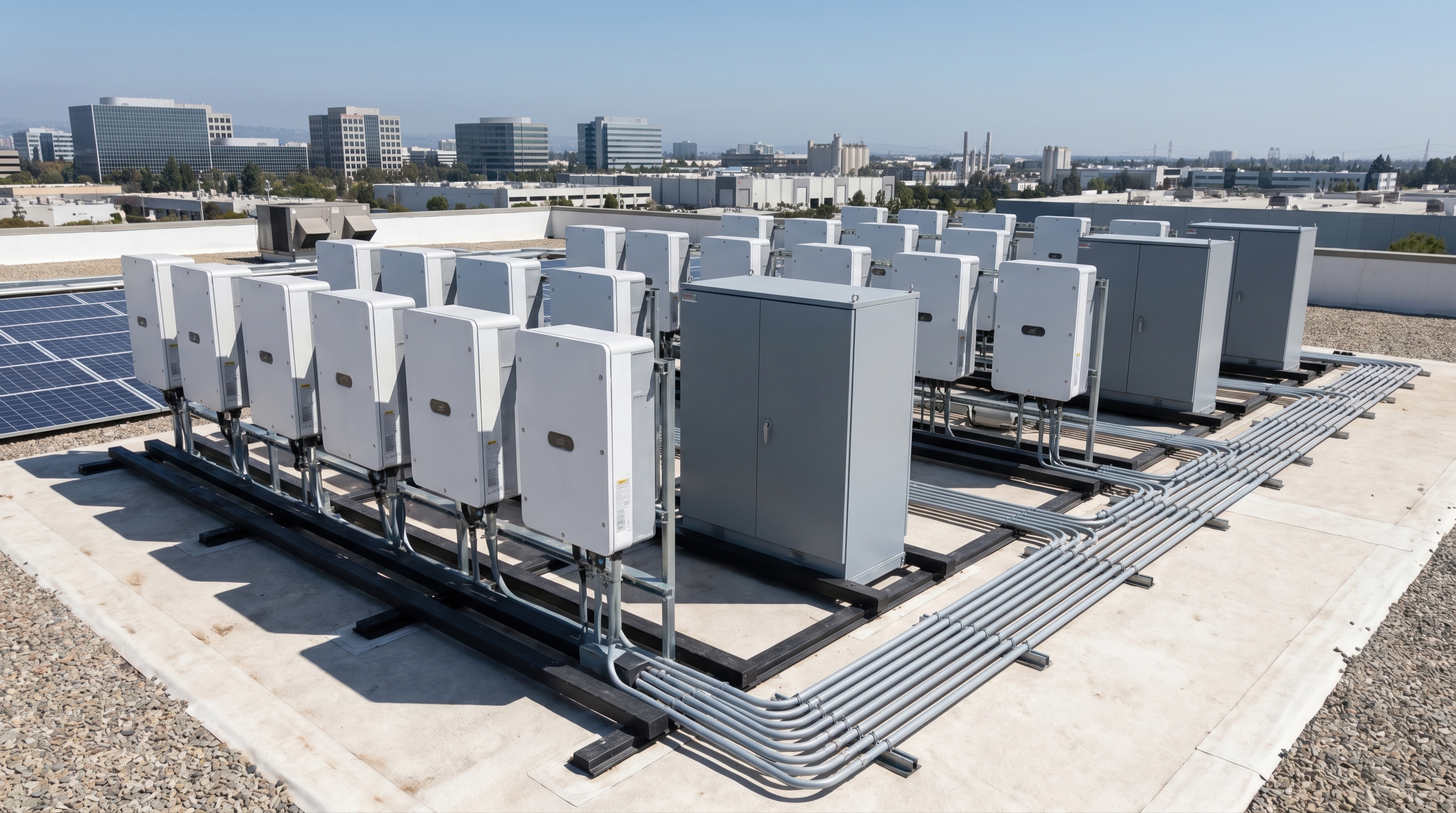
- Outdoor Installations: Require concrete foundation pads, weatherproof IP65 or IP67 enclosures, and secure perimeter fencing to protect equipment from vehicle movements or unauthorised access.
Fire Safety and Insurance Standards
Safety is a primary consideration for any energy storage project. Installations must adhere strictly to current UK standards, including BS 7671 wiring regulations and the IET Code of Practice for Electrical Energy Storage Systems (EESS).
Proper design involves fitting thermal monitoring, automatic isolation switchgear, appropriate fire containment, and clean earthing paths. It is always recommended to inform your commercial property insurer early in the planning stage to ensure proposed containment layouts meet their specific underwriting criteria.
Grid Approvals and G99 Applications
Connecting an energy storage system to the electricity network requires formal permission from your regional Distribution Network Operator (DNO):
- Systems operating above standard domestic thresholds require a formal G99 connection application.
- The DNO reviews local network capacity to confirm whether your site can connect and export power without destabilising the local grid.
- Navigating the G99 process early is essential, as DNO assessments can take several weeks depending on regional network constraints.
Realistic Payback Periods and Return on Investment
A common question from commercial directors is how quickly a battery storage system pays for itself.
While every site profile is unique, typical payback periods for commercial battery projects in the UK range between 4 and 7 years. The exact return on investment depends on four core variables:
- Spread Between Peak and Off-Peak Tariffs: A wider price gap allows for greater savings through arbitrage.
- Existence of On-Site Generation: Pairing batteries with existing solar PV accelerates payback by eliminating low-value grid exports.
- Site Demand Profile: Facilities with consistent, predictable daytime loads achieve faster returns than sites with erratic usage.
- Equipment Lifespan: Modern LFP commercial batteries are rated for thousands of operational cycles, providing a functional working life of 15 years or more with minimal capacity degradation.
What to Expect During a Site Battery Project
Installing a commercial battery system involves careful technical planning to ensure the equipment matches your exact load demands and integrates smoothly with your site switchgear:
- Site Energy Audit: An analysis of your building's half-hourly energy data (HH data) to map baseline consumption, peak demand spikes, and daily solar output.
- System Design & Specification: Calculating the exact battery capacity (in kWh or MWh) and inverter sizing required to deliver maximum operational return.
- DNO Application & Compliance: Submitting technical single-line diagrams and G99 paperwork to the local network operator for grid approval.
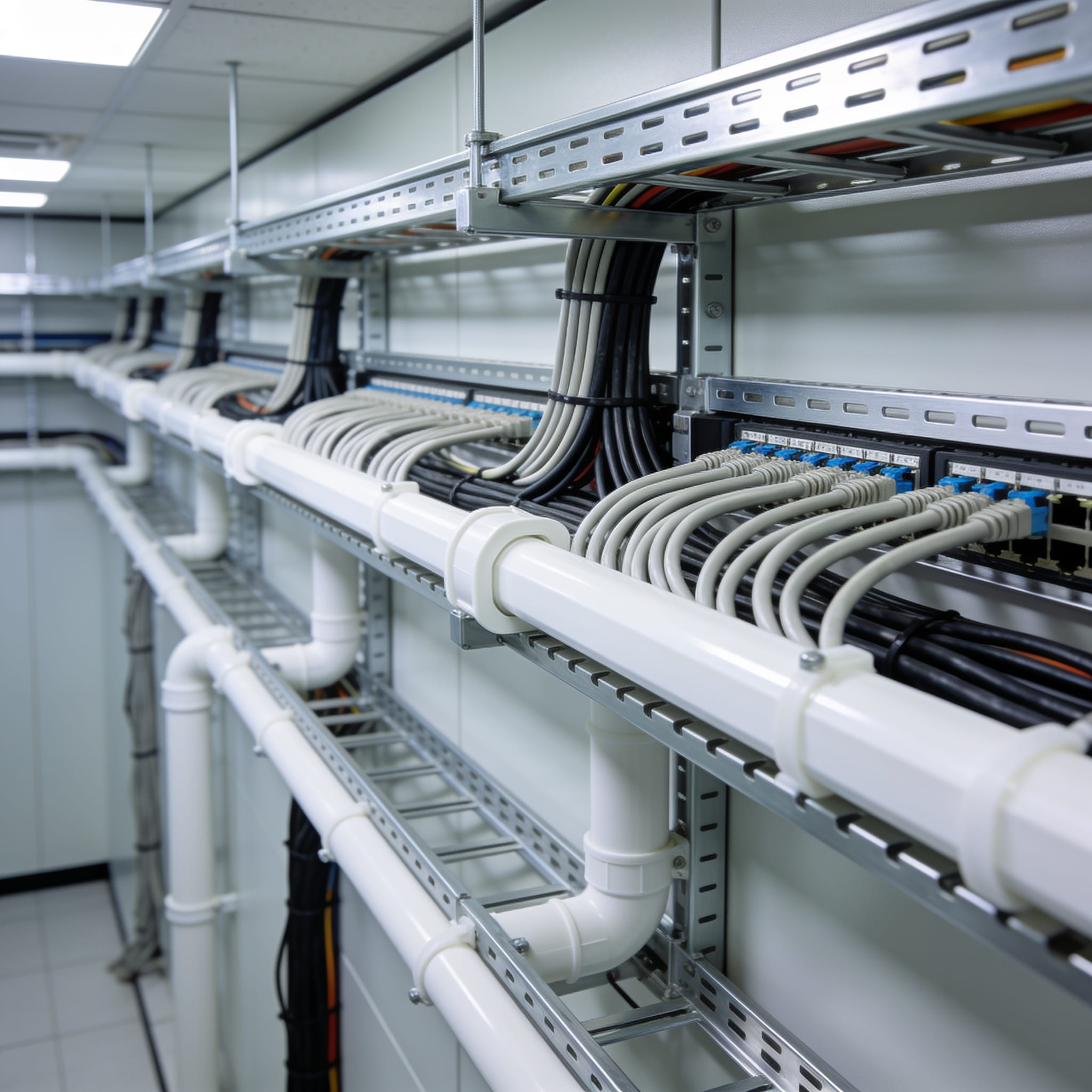
- Physical Installation & Switchboard Integration: Mounting enclosures, running heavy-duty containment, laying armoured sub-mains cabling, and connecting isolation switchgear into your main distribution panel.
- Testing, Commissioning & Certification: Conducting thorough insulation resistance and functional testing before issuing a complete Electrical Installation Certificate (EIC).
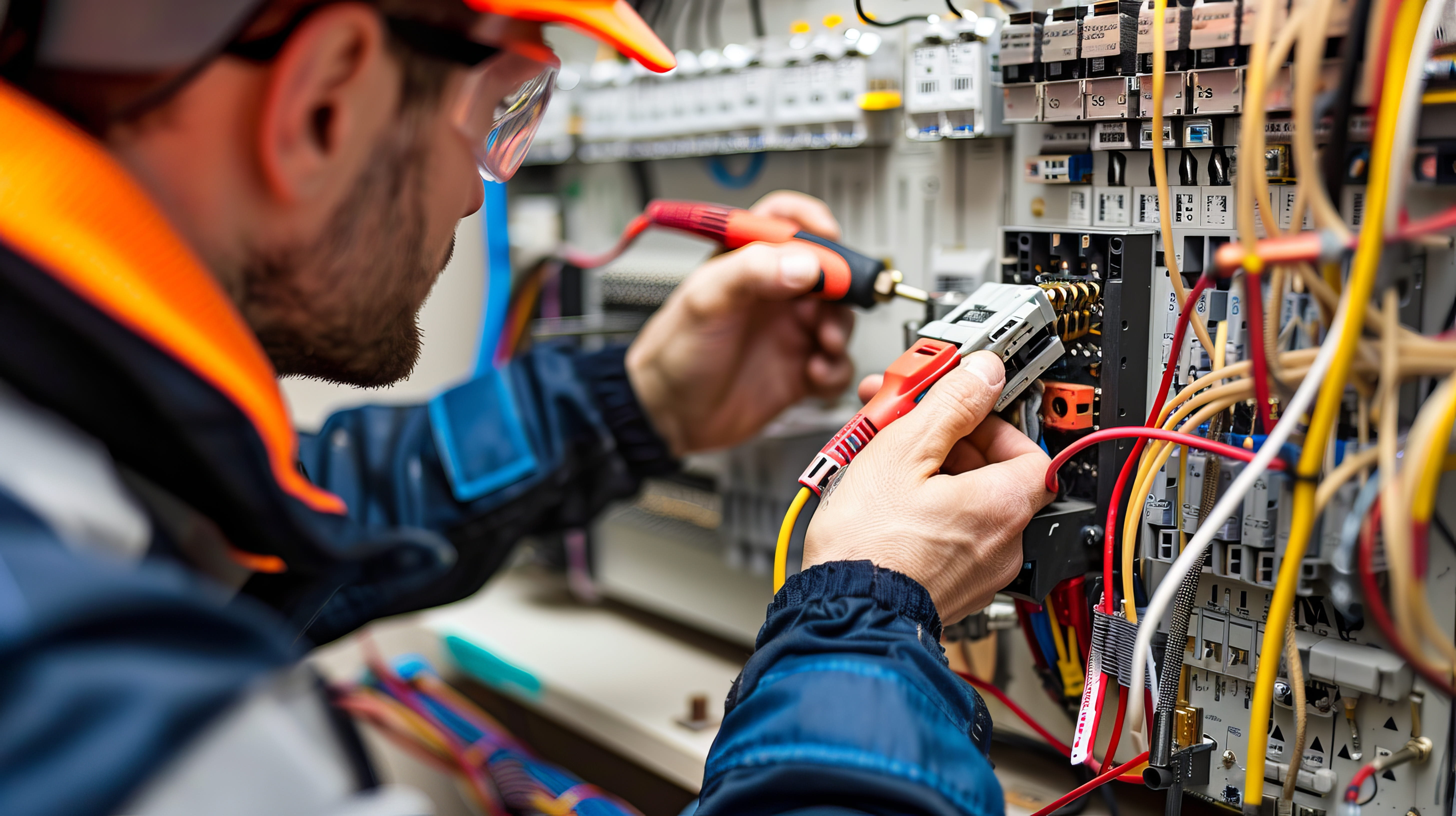
During physical connection and switchboard tie-in work, brief power interruptions are sometimes necessary. An experienced commercial electrical team will carefully plan and coordinate all work in advance with your management team, agreeing the most suitable timings to keep the impact on your day-to-day operations to a minimum.
Summary
Investing in a commercial battery storage system offers UK businesses a practical, long-term solution to rising energy costs, grid volatility, and net-zero targets. By storing low-cost power, flattening peak demand charges, and protecting critical site operations, energy storage gives commercial facilities the power resilience they need to operate efficiently.
If you are evaluating whether battery storage is right for your facility, reviewing your site's half-hourly energy data is the best place to start. A detailed audit will confirm your peak demand profiles and reveal how much a modern battery system could save your business every year.