The Future of Solar Energy in the UK: Trends and Innovations
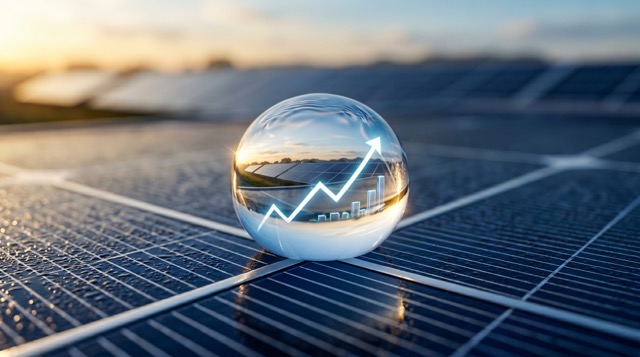
The UK is undergoing a massive shift in how it generates and consumes power. Despite our famously unpredictable weather, solar energy has become a cornerstone of the country's push towards a greener, more sustainable future. As technology rapidly evolves, capturing power from the sun is becoming cheaper, highly efficient, and more integrated into our daily lives.
Understanding where solar technology is heading helps homeowners and businesses make smart energy investments. This post explores the exact trends shaping the UK solar market right now. You will discover the latest breakthroughs in panel technology, how smart grids are changing energy storage, and which government policies continue to drive this renewable revolution.
Advancements in Solar Panel Technology
For years, standard silicon solar panels have dominated the market. While they remain highly effective, researchers are developing new materials and designs that promise to generate much more power from the exact same amount of roof space.
The Rise of Perovskite Solar Cells
One of the most exciting breakthroughs in renewable energy is the development of perovskite solar cells. This synthetic material is much thinner and more flexible than traditional silicon. More importantly, when manufacturers layer perovskite over standard silicon, the resulting "tandem" panels capture a much wider spectrum of sunlight. This pushes panel efficiency well beyond current limits, meaning future UK homes will generate significantly more electricity, even on heavily overcast days.
Building-Integrated Photovoltaics (BIPV)
Homeowners often worry about the visual impact of bulky solar panels on traditional UK roofs. Building-Integrated Photovoltaics (BIPV) completely solve this problem. Instead of bolting frames over existing tiles, BIPV technology builds the solar cells directly into the roofing materials. Solar slates and solar glass look exactly like standard building materials but quietly generate electricity. As manufacturing costs drop, these integrated designs are set to become a standard feature on new housing developments across the country.
Integration with Smart Grids and Battery Storage
Generating solar power is only half the equation. The future of UK energy relies heavily on how we store and distribute that power. The traditional one-way flow of electricity from massive power stations to our homes is changing into a dynamic, two-way smart grid.
Next-Generation Battery Storage
Solar panels generate the most electricity during the middle of the day, which is exactly when most people are out at work. Without a battery, that valuable energy flows straight back to the grid. Home battery storage is becoming much more compact and affordable. Modern lithium-ion and emerging solid-state batteries allow households to save their daytime solar energy to run their ovens, televisions, and heating during the evening peak.
Vehicle-to-Grid (V2G) Technology
Electric vehicles (EVs) are essentially large batteries on wheels. Vehicle-to-Grid technology allows you to charge your EV using your solar panels during the day, and then use the car's battery to power your home at night. If the national grid experiences a sudden surge in demand, you can even sell power straight from your car back to your energy supplier at a premium rate. This turns your driveway into an active, profit-generating part of the UK energy network.
Government Policies and Incentives
The UK government has set a legally binding target to reach net-zero carbon emissions by 2050. Achieving this requires a massive expansion of domestic and commercial solar power, heavily supported by targeted policies and financial incentives.
The Smart Export Guarantee (SEG)
The Smart Export Guarantee forces major UK energy suppliers to pay you for any excess solar electricity you send back to the grid. While the rates vary between suppliers, the SEG ensures that your surplus energy never goes to waste and provides a steady return on your initial installation cost. As energy markets fluctuate, expect to see more competitive and dynamic SEG tariffs designed to reward households that export power during peak evening hours.
Easing Planning Permissions
Local authorities are actively removing red tape to speed up solar adoption. Changes to permitted development rights make it much easier to install panels on residential properties and commercial farm buildings without requiring lengthy planning applications. Furthermore, the government has cut VAT on energy-saving materials, including solar panels and home batteries, down to zero percent until at least 2027. This instantly reduces the upfront cost of your installation.
Conclusion
The future of solar energy in the UK looks incredibly bright. Advancements in perovskite materials and integrated roof tiles mean panels will soon look better and generate far more power. When combined with smart battery storage and supportive government incentives, generating your own clean electricity has never made more financial sense.
If you want to take control of your energy bills and protect your household against future price hikes, now is the time to act. Contact a certified solar installer today to arrange a site survey and find out exactly how much a modern solar system can save your property.