Solar Panel Maintenance: How to Keep Your System Efficient
Installing solar panels is a significant investment that instantly lowers your energy bills and reduces your household carbon footprint. However, leaving them completely unattended for years can cause their energy output to drop. Dust, bird droppings, and seasonal debris slowly block sunlight, meaning your system generates less power than it should.
Fortunately, looking after a solar energy system is straightforward. Because the technology features very few moving parts, it requires minimal ongoing work to keep it running at peak capacity.
In this guide, you will learn exactly how to care for your system. We cover practical cleaning techniques, how to spot physical damage, the best ways to track your daily energy output, and how to know when a fault requires a certified professional. By following these steps, you can ensure your panels capture maximum sunlight and deliver the best possible return on your investment.
Why Regular Solar Panel Maintenance Matters
Solar panels rely entirely on direct sunlight hitting the photovoltaic cells. Even a thin layer of grime or pollen can reduce your system's efficiency by up to 10%. Over a full year, this slight drop in performance adds up to a noticeable loss in the free electricity you generate. Spending a small amount of time checking and maintaining your array ensures you capture every possible unit of solar energy.
Practical Cleaning Tips for Maximum Sunlight
Keeping the glass surface of your panels clear is the most effective way to maintain high energy yields. Most UK installations benefit from our regular rainfall, which washes away light dust naturally. However, rain cannot remove sticky tree sap or heavy bird droppings.
When to Clean Your Panels
Aim to clean your solar panels once or twice a year. Late spring is an excellent time, as it clears away winter grime and sticky spring pollen just before the long, sunny days of summer arrive. Autumn is another sensible time, especially if falling leaves cover your roof.
The Right Tools for the Job
Safety comes first. If your panels are on a high roof and difficult to reach, hire a professional window cleaner equipped with long-reach water-fed poles. If you have ground-mounted panels or a very accessible flat roof, you can safely clean them yourself using these guidelines:
- Use a standard garden hose: A gentle spray of water is often enough to remove loose dirt. Never use a high-pressure power washer, as the force can force water under the protective seals and damage the electronics.
- Choose soft materials: Use a soft brush or a sponge with a long handle. Never use abrasive scouring pads, as these will scratch the glass and permanently reduce the amount of light reaching the cells.
- Avoid harsh chemicals: Stick to clean water. If you face stubborn marks, use a very mild, non-abrasive soap. Strong detergents leave a cloudy film on the glass that blocks sunlight.
- Clean early in the morning: Glass panels get incredibly hot during the middle of the day. Cold water hitting hot glass can cause the surface to crack. Wash them early in the morning when the panels are cool.
Checking for Physical Damage
While you clean the glass, take a few minutes to visually inspect the physical condition of the hardware. Catching minor wear and tear early prevents more expensive repair bills down the line.
Spotting Surface Wear
Look closely at the glass surface for tiny micro-cracks. Extreme weather, such as heavy hail or falling tree branches, can fracture the top layer. While a small crack might not stop the panel from working immediately, it allows moisture to seep into the internal wiring, which will eventually cause the unit to fail.
Also, inspect the aluminium frames holding the panels in place. Ensure there are no signs of severe corrosion and that the mounting brackets look firmly attached to your roof tiles.
Managing Trees and Wildlife
Nature often encroaches on roof spaces. Check if nearby trees have grown over the past year and started casting deep shadows across your array. Trimming back overhanging branches instantly restores your energy output and stops dead leaves from piling up under the frames.
Birds also love nesting under the warm shelter of solar panels. If you notice twigs protruding from the edges of your array or hear constant scratching, you likely have nesting pigeons. Animal mess is highly acidic and damages cables over time. You can easily solve this by having a professional fit specific bird-proofing mesh around the perimeter of the system.
Monitoring Your System’s Performance
You do not need to climb onto your roof to know if your system is working well. The most crucial maintenance task happens safely inside your home. Tracking your daily generation figures helps you spot hidden technical issues instantly.
Reading Your Inverter Display
The inverter is the central hub of your solar setup. It sits in your loft or utility room and converts the raw solar energy into usable household electricity. Make a habit of checking the inverter display once a month.
Most modern inverters feature a simple traffic light system. A solid green light usually means everything operates perfectly. If you see flashing red or orange lights, or if the screen displays a specific error code, your system has detected an internal fault.
Tracking Output via Smart Apps
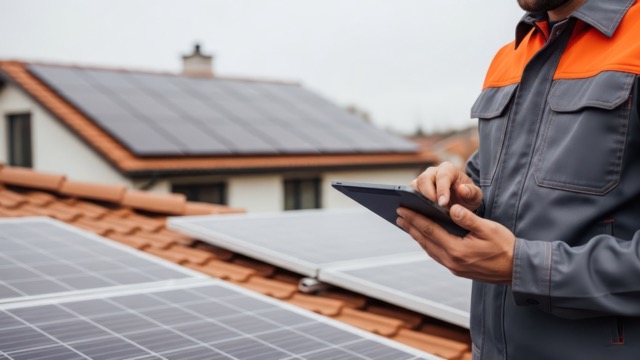
Almost all modern solar installations come with a connected smartphone app. These apps provide a clear, live view of exactly how much power you generate each day.
Take a few minutes to review your weekly production graphs. If you notice a sudden, unexplained drop in your electricity generation on a perfectly sunny week, you know there is a problem. Comparing this year's output to the same month last year gives you a clear benchmark for your system's overall health.
When to Call a Professional Solar Engineer
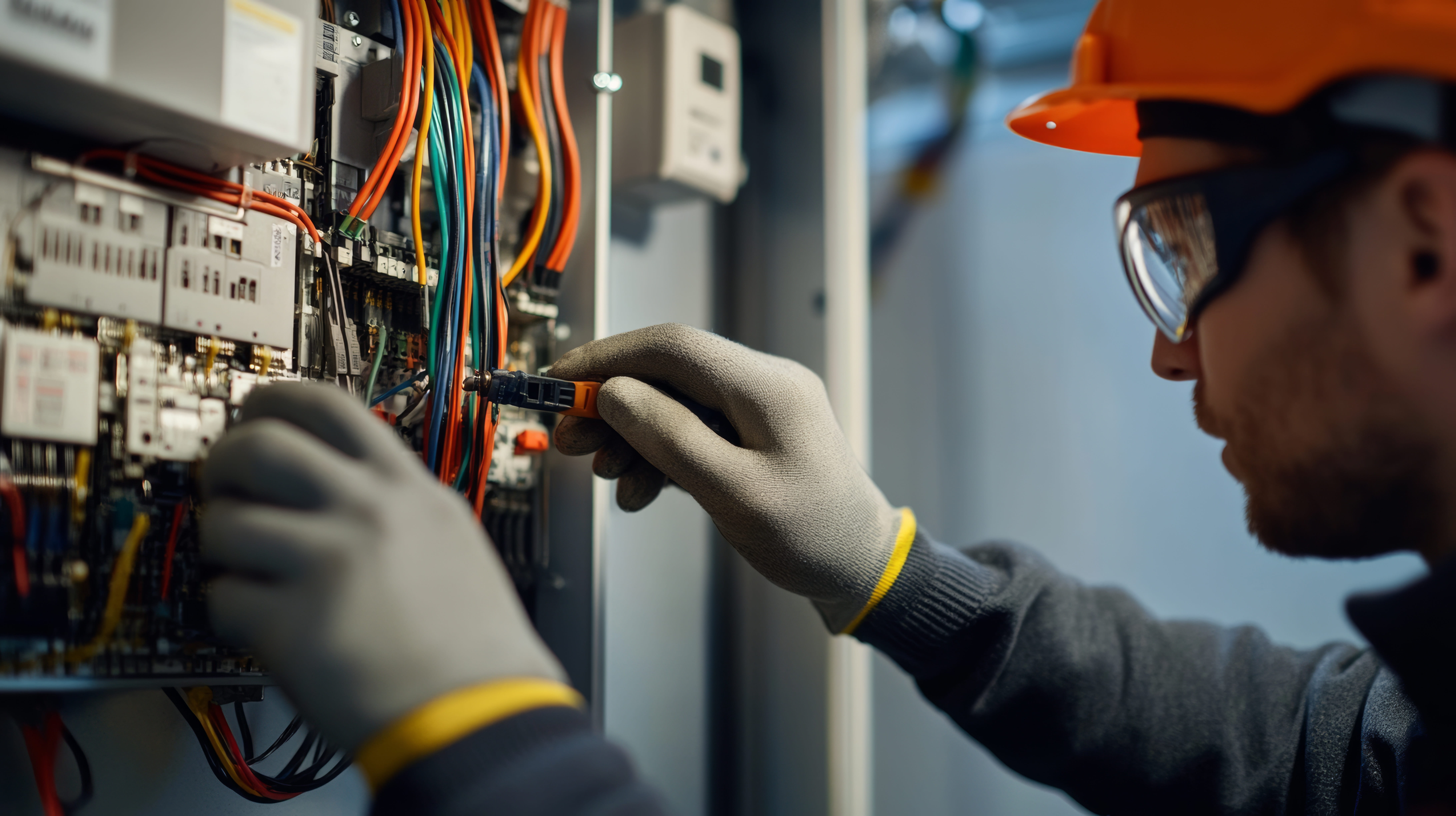
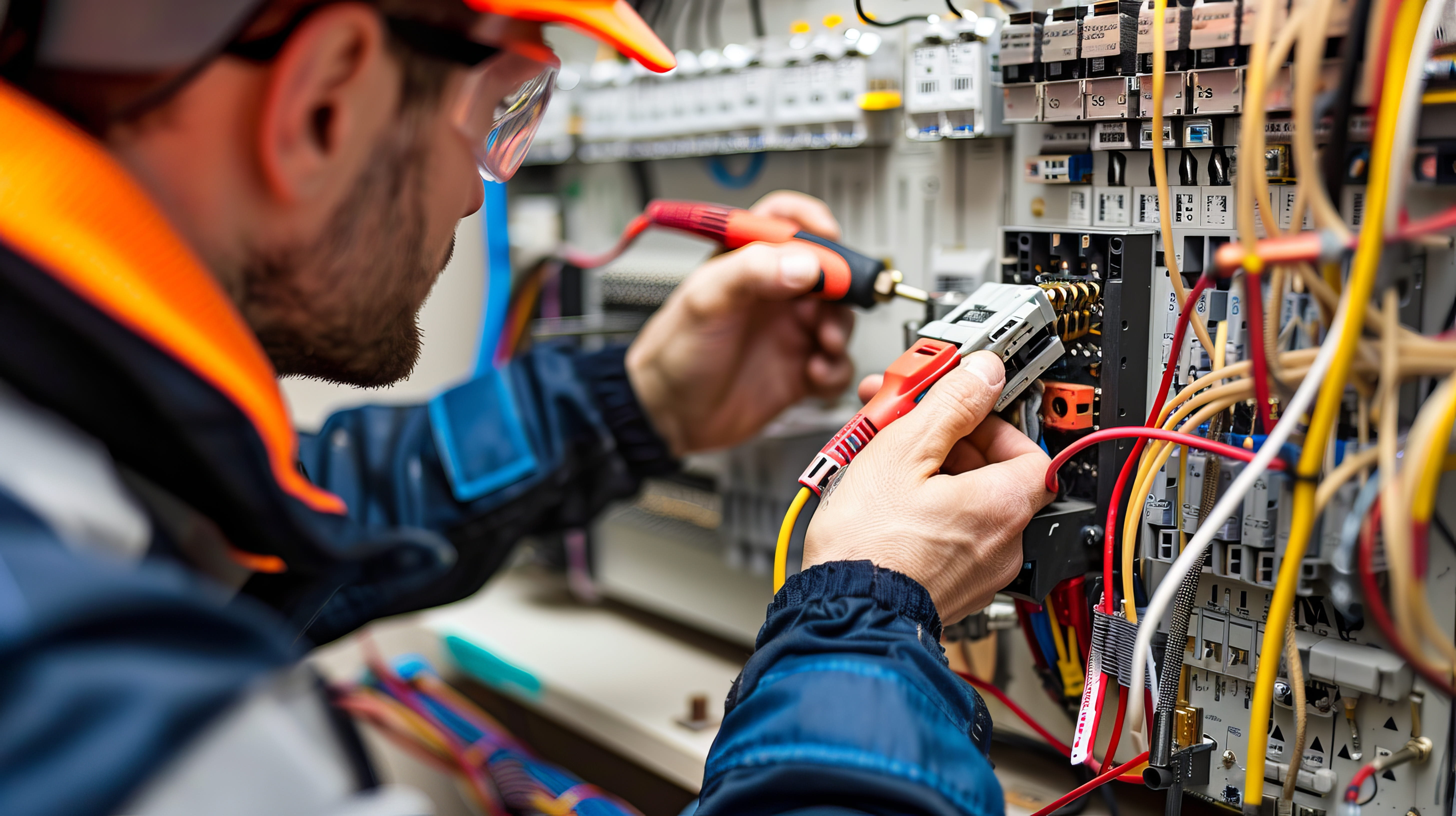
While cleaning and visual checks are easy to handle yourself, you must never attempt to fix internal electrical faults. Solar energy systems carry high-voltage direct current (DC) electricity, which is incredibly dangerous if mishandled.
You should immediately contact a certified Microgeneration Certification Scheme (MCS) installer if you notice any of the following:
- Your inverter shows a permanent red fault light or a specific technical error code.
- Your smart app reports zero energy generation during bright daylight hours.
- You find loose cables hanging from the roof or exposed wiring under the panels.
- You spot visible cracks in the glass surface or heat burn marks on the backing sheets.
- Water is leaking through your roof directly beneath the mounting brackets.
A professional engineer holds the correct testing equipment to safely isolate the fault. They can test individual strings of panels, replace broken inverters under warranty, and ensure your system meets all UK electrical safety standards.
Conclusion
Keeping your solar panels in peak condition requires very little effort, but the financial rewards are substantial. By arranging a gentle clean twice a year, keeping an eye out for physical damage, and tracking your daily output on your smartphone, you guarantee maximum performance from your roof.
Check your smartphone monitoring app today to see how much power you generated this week. If the numbers look lower than expected, or if your panels look visibly dull from the ground, it might be time to schedule a quick clean and get your energy savings back on track.