How Long Does It Take to Charge an Electric Car?
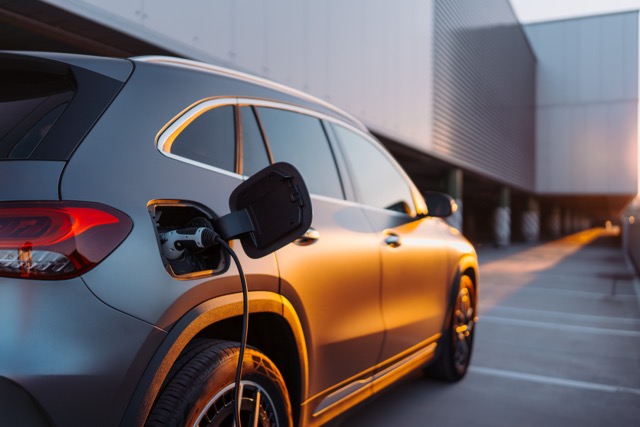
Thinking about switching to an electric vehicle but unsure how charging fits into your day? You are not alone. "How long does it take to charge an electric car?" is one of the most common questions we hear from drivers across the UK.
The honest answer is: it depends. Charging time can range from under 30 minutes to more than 24 hours, depending on a handful of clear factors. The good news is that once you understand those factors, planning your charging becomes simple.This guide is for anyone considering an EV or weighing up a home charger installation. By the end, you will know:
- What affects EV charging speed
- The difference between slow, fast, rapid, and ultra-rapid charging
- Realistic charging times with practical examples
- How home charging compares to public and workplace options
Let's clear up the confusion.
What Affects How Long It Takes to Charge an EV?
No two charging sessions are identical. Five main factors decide how quickly your battery fills up.
1) Charger Speed (Power Output)
This is the biggest factor. Chargers are rated in kilowatts (kW). The higher the kW, the faster the charge.
- A standard 3-pin plug delivers around 2.3kW — very slow.
- A home wallbox typically delivers 7kW.
- Public rapid chargers range from 50kW to 350kW.
Think of kW like the width of a tap. A wider tap fills the bucket faster.
2) Battery Size
EV batteries are measured in kilowatt-hours (kWh). A bigger battery stores more energy, so it takes longer to fill.
- A small city car might have a 40kWh battery.
- A large SUV could carry 90kWh or more.
A bigger battery usually means more range, but a longer charge from empty.
3) Your Vehicle's Charging Capability
Every EV has a maximum charging rate it can accept. Plugging a 7kW car into a 150kW rapid charger will not make it charge at 150kW. It will only ever take what it is built to handle.
This is why checking your vehicle's specification matters before assuming a charger will be "fast" for you.
4) Starting Charge Level
You rarely charge from completely empty. Most drivers top up from, say, 20% to 80%. That partial charge is much quicker than filling from 0% to 100%.
Charging also slows down deliberately above 80% to protect the battery. So the final stretch always takes longer.
5) Where You Charge
Home, workplace, and public chargers all offer different speeds and convenience. We will cover these shortly.
Slow, Fast, Rapid, and Ultra-Rapid Charging Explained
Charging speeds fall into four broad groups. Here is what each one means in plain terms.
Slow Charging (2.3kW – 6kW)
Slow charging usually means using a 3-pin domestic plug. It is best kept for occasional, emergency top-ups only.
- Typical time: 24+ hours for a full charge
- Best for: Rare backup charging, not daily use
We never recommend relying on a 3-pin plug long term. It is slow and puts strain on standard sockets.
Fast Charging (7kW – 22kW)
This is the sweet spot for home charging. A 7kW wallbox is the most popular choice for UK households.
- Typical time: 7 to11 hours for a full charge
- Best for: Overnight charging at home or all-day charging at work
Charge while you sleep, wake up to a full battery. Simple.
Rapid Charging (50kW – 99kW)
Rapid chargers are found at motorway services, supermarkets, and public hubs. They are designed for quick top-ups on longer journeys.
- Typical time: 30–60 minutes to reach around 80%
- Best for: Long trips and on-the-go charging
Ultra-Rapid Charging (100kW – 350kW)
The fastest option available, ultra-rapid chargers suit modern EVs built to accept high speeds.
- Typical time: 15 to 30 minutes to reach around 80%
- Best for: Compatible vehicles needing the quickest possible top-up
Remember: your car must be capable of accepting these speeds to benefit fully.
Realistic Charging Time Examples
Let's bring this to life with some everyday scenarios.
- Home 7kW charger, 60kWh battery, 20% to 100%: roughly 7 hours overnight.
- Workplace 22kW charger, 60kWh battery, 30% to 80%: around 1.5 hours during the working day.
- Public 50kW rapid, 60kWh battery, 20% to 80%: about 45 minutes at a service station.
- Ultra-rapid 150kW charger, compatible car, 20% to 80%: roughly 20–25 minutes.
These are estimates, but they show how much your setup shapes the result.
Home vs Workplace vs Public Charging
Where you plug in changes both the speed and the cost. Here is how the three compare.
Home Charging
For most UK drivers, home is the easiest and cheapest place to charge.
- Charge overnight on a 7kW wallbox
- Take advantage of off-peak electricity tariffs
- Wake up ready to go each morning
A dedicated home charger is far safer and faster than a 3-pin plug, and it adds genuine convenience to daily life.
Workplace Charging
Many employers now offer charging points. With a full working day to spare, even a 7kW charger easily tops up most batteries.
Public Charging
Public rapid and ultra-rapid chargers are ideal for longer journeys. They cost more per unit than home charging, so most drivers use them as a supplement rather than a main source.
Common Charging Questions and Mistakes
A few simple misunderstandings trip up new EV owners. Here are the ones worth knowing.
- Assuming every charger is fast: Your car's maximum rate sets the limit, not the charger alone.
- Charging to 100% every time: Topping up to 80% for daily use is quicker and kinder to the battery.
- Relying on a 3-pin plug: It works in a pinch, but it is slow and not designed for daily charging.
- Forgetting off-peak tariffs: Charging overnight at home can dramatically cut your running costs.
Quick Recap
So, how long does it take to charge an electric car? It comes down to five things:
- The charger's power output
- Your battery size
- Your vehicle's charging capability
- Your starting charge level
- Where you choose to charge
For everyday driving, a 7kW home charger and an overnight top-up will cover the vast majority of needs comfortably.
Ready to Charge at Home? Let's Talk
A properly installed home charger is the single best way to make EV ownership simple, affordable, and stress-free. The right setup means faster charging, lower costs, and complete peace of mind.
Not sure which charger suits your car or your home? That is exactly what we are here for.
Contact Big Green Electrical today for friendly, expert advice on EV charger installations. Our qualified engineers will assess your home, recommend the right charger, and handle a safe, fully compliant installation from start to finish.
📞 Get in touch now and take the first step towards effortless home charging.