Why Is My Circuit Breaker Hot? A Homeowner Guide
You rely on your electrical system every single day to keep your household running smoothly. From powering your refrigerator to keeping the lights on, your consumer unit works constantly in the background. However, if you ever open the door to your electrical board and notice that a circuit breaker feels hot to the touch, you might feel a sudden rush of concern.
Finding a hot switch in your consumer unit is a clear warning sign that something within your electrical system requires immediate attention. Ignoring this issue can lead to severe property damage or even put your family at risk of an electrical fire. This comprehensive guide explores exactly why a circuit breaker overheats and outlines the practical steps you should take to protect your home.
You will learn how to distinguish between normal operating temperatures and dangerous heat levels. We will also detail the most common culprits behind overheating components and explain precisely when you need to contact a qualified electrician for professional assistance.
Understanding Your Electrical Consumer Unit
Before exploring why components overheat, it helps to understand how your consumer unit functions. Your consumer unit acts as the central hub for all the electricity entering your property. It divides the main electrical supply into individual circuits that power different areas of your home, such as your kitchen sockets or upstairs lighting.
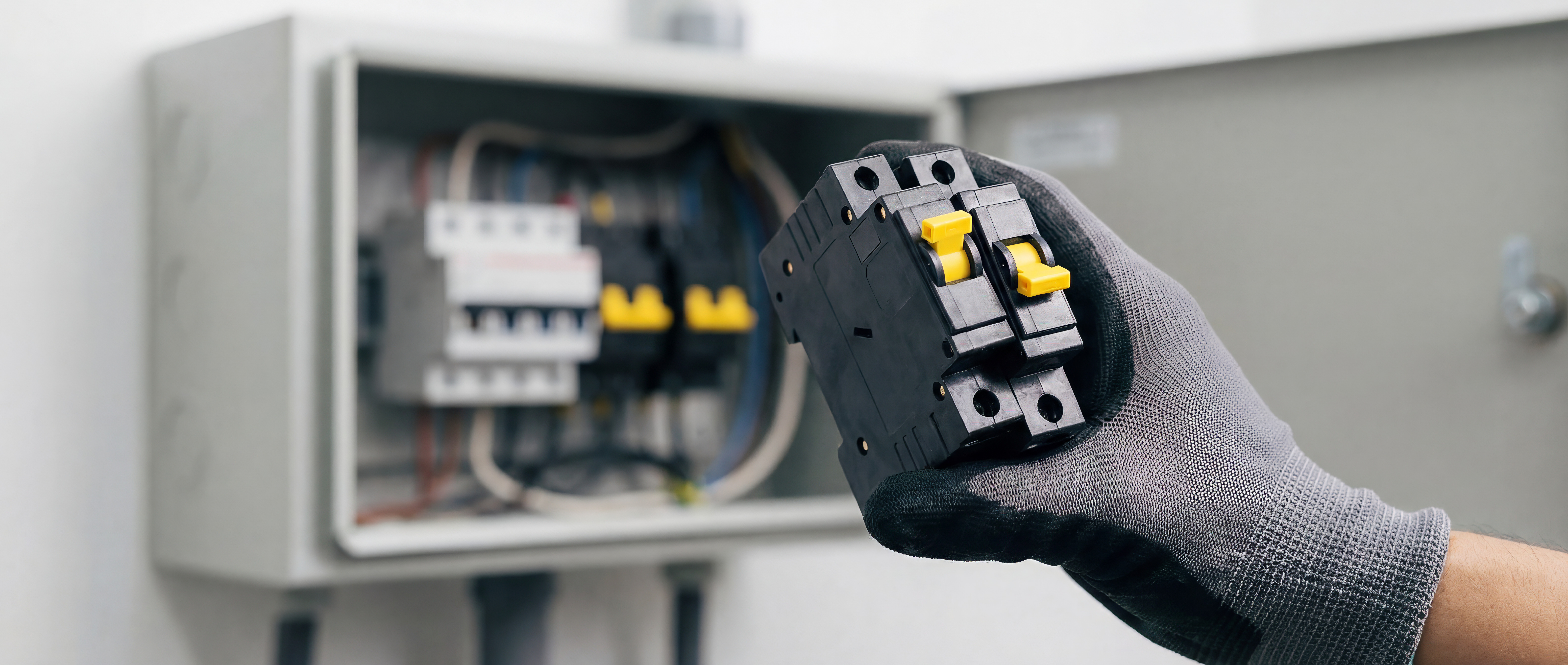
Each of these individual circuits features a dedicated circuit breaker. These breakers act as vital safety devices designed to monitor the flow of electrical current. If a circuit begins to draw more electricity than it can safely handle, the breaker automatically trips and cuts off the power supply.
This automatic tripping mechanism prevents the electrical wires hidden inside your walls from overheating and catching fire. When a breaker works correctly, it provides an essential layer of protection for your entire household. However, if the breaker itself becomes excessively hot, it indicates that the safety mechanism is struggling to cope with an underlying problem.
Is It Normal for a Circuit Breaker to Feel Warm?
Homeowners often wonder if any amount of heat is acceptable within a consumer unit. It is perfectly normal for a circuit breaker to feel slightly warm to the touch when electricity flows through it. As electrical current passes through the internal components, it naturally generates a small amount of thermal energy.
During periods of heavy electrical usage, such as cooking dinner while running the washing machine, you might notice a gentle warmth radiating from the switches. This slight temperature increase should not cause you any alarm. The components are manufactured to withstand normal operating temperatures without sustaining any damage.
However, there is a significant difference between a switch that feels slightly warm and one that feels genuinely hot. If pulling your hand away is your immediate reaction when touching the plastic casing, your system has a serious fault. You should never ignore a breaker that feels uncomfortably hot, radiates intense heat, or shows visible signs of thermal damage.
Common Causes of a Hot Circuit Breaker
Several different issues can cause a circuit breaker to overheat. Understanding these common triggers can help you identify the root cause of the problem and prevent similar issues from occurring in the future.
Overloaded Electrical Circuits
An overloaded circuit is the most frequent reason behind an overheating breaker. This situation occurs when you plug too many demanding appliances into a single circuit. For example, running a space heater, a kettle, and a toaster on the same ring main simultaneously will draw a massive amount of electrical current.
When the electrical demand exceeds the maximum capacity of the circuit, the wires and the breaker begin to heat up rapidly. A properly functioning breaker should trip to stop this from happening. However, if the breaker fails to trip or if the overload sits just below the tripping threshold for a prolonged period, the switch will become dangerously hot.
Faulty or Failing Breakers
Circuit breakers are highly durable, but they do not last forever. Over time, the internal mechanical components can simply wear out through continuous use. Ageing breakers may lose their ability to trip effectively during an overload, causing them to absorb excess heat instead of cutting the power.
Additionally, the contacts inside the switch can become corroded or coated in dust over the years. This corrosion creates resistance against the flow of electricity. Whenever electrical current meets resistance, it generates severe heat. If your consumer unit is several decades old, the internal components might require a complete modern upgrade.
Loose Electrical Connections
Electricity requires a continuous, tight path to flow safely. If the wire connecting to the circuit breaker becomes loose, the electrical current has to work much harder to bridge the tiny gap. This phenomenon creates an electrical arc, which generates a tremendous amount of focused heat.
Loose connections can happen for several reasons. Small vibrations from daily household activities can gradually loosen the terminal screws over many years. Alternatively, the connection might have been poorly secured during the original installation. This intense, concentrated heat can quickly melt the plastic casing of the breaker and the surrounding wire insulation.
Short Circuits and Earth Faults
A short circuit is a highly dangerous electrical fault that occurs when a live wire makes direct contact with a neutral wire. This bypasses the normal electrical path and causes a massive, sudden surge of electricity to flow through the system. This massive surge generates extreme heat almost instantly.
Similarly, an earth fault happens when a live wire touches the metal casing of an appliance or a dedicated earth wire. Both of these situations should cause the breaker to trip immediately. If the breaker is faulty and fails to trip during a short circuit, the resulting heat can destroy the consumer unit and start a fire within minutes.
The Hidden Dangers of a Hot Consumer Unit
Ignoring a hot circuit breaker places your property and your family in significant danger. The plastic casing of a breaker is designed to be fire-resistant, but it can only withstand so much thermal stress before it begins to fail.
When a breaker reaches extreme temperatures, the plastic components will begin to melt. This melting process can spread to adjacent breakers, destroying the entire consumer unit. As the internal insulation breaks down, the risk of a severe electrical fire increases dramatically. Electrical fires are notoriously difficult to extinguish and can spread rapidly through the wall cavities of your home.
Furthermore, a melting breaker can expose live electrical parts. Anyone who attempts to inspect the consumer unit or reset a tripped switch could suffer a severe electrical shock. You must treat excessive heat in your electrical system as a critical emergency that requires swift and decisive action.
Practical Troubleshooting Advice for Homeowners
If you discover a hot circuit breaker in your home, you must prioritise safety above all else. There are several practical steps you can take to assess the situation without putting yourself at unnecessary risk.
First, you should immediately turn off the specific breaker that feels hot. Simply flip the switch to the off position to stop the flow of electricity through that specific circuit. This action will remove the immediate source of the heat and allow the components to cool down safely.
Next, you should unplug all appliances and devices connected to that specific circuit. Walk through your home and check the affected rooms. Removing these devices ensures that no electrical demand remains on the circuit once the power is eventually restored.
Once the circuit is completely isolated, you must wait and observe. Do not attempt to turn the breaker back on while it remains hot. Do not remove the protective cover of the consumer unit to look at the wiring, as this exposes you to live electricity. Your primary role is to secure the area and prevent further damage.
When to Call a Professional Electrician
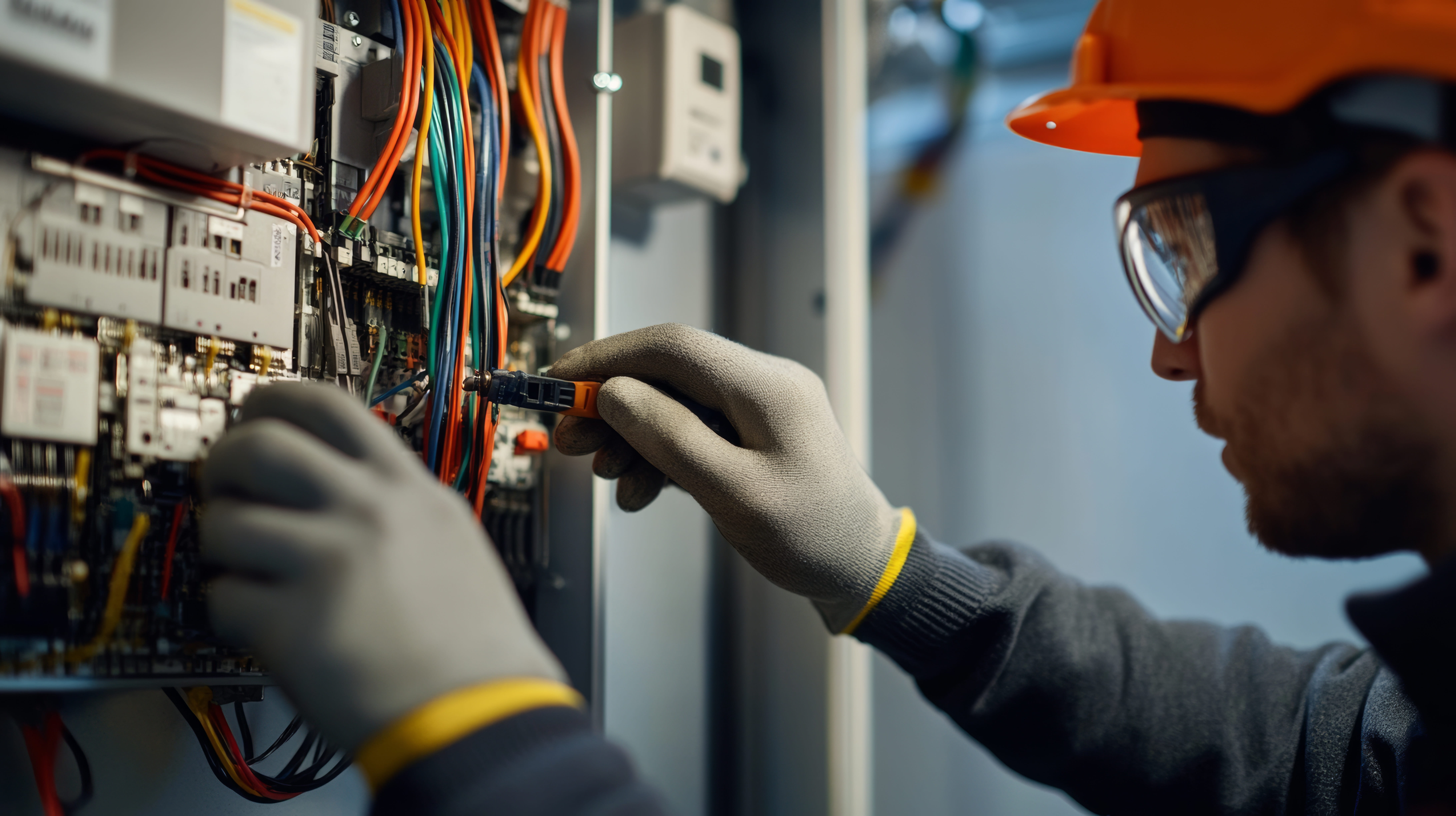
While you can safely isolate a hot circuit, you should never attempt to repair the fault yourself. Working with main electrical systems requires extensive training, specialised testing equipment, and a thorough understanding of building regulations. You must call a professional electrician if you notice any of the following warning signs.
If you smell a strong, acrid odour resembling burning plastic or fish near your consumer unit, you have a severe electrical emergency. This smell indicates that the wire insulation or the breaker casing is actively melting. You should turn off the main power switch for the entire house and call an emergency electrician immediately.
You should also seek professional help if the breaker repeatedly trips after you have unplugged all your appliances. This continuous tripping points to a hidden short circuit or a completely failed breaker mechanism. Additionally, if you see visible scorch marks, black soot, or bubbling plastic around the switches, do not touch the consumer unit and wait for professional assistance.
Maintaining Electrical Safety in Your Home
Preventing a circuit breaker from overheating is always better than dealing with an emergency. You can maintain a safe electrical system by implementing a few simple household habits and scheduling regular professional checks.
Be mindful of how you distribute your electrical appliances across your home. Avoid plugging multiple high-demand devices, such as portable heaters and tumble dryers, into the same wall socket or the same circuit. Distributing the load prevents your breakers from working at their absolute maximum capacity every single day.
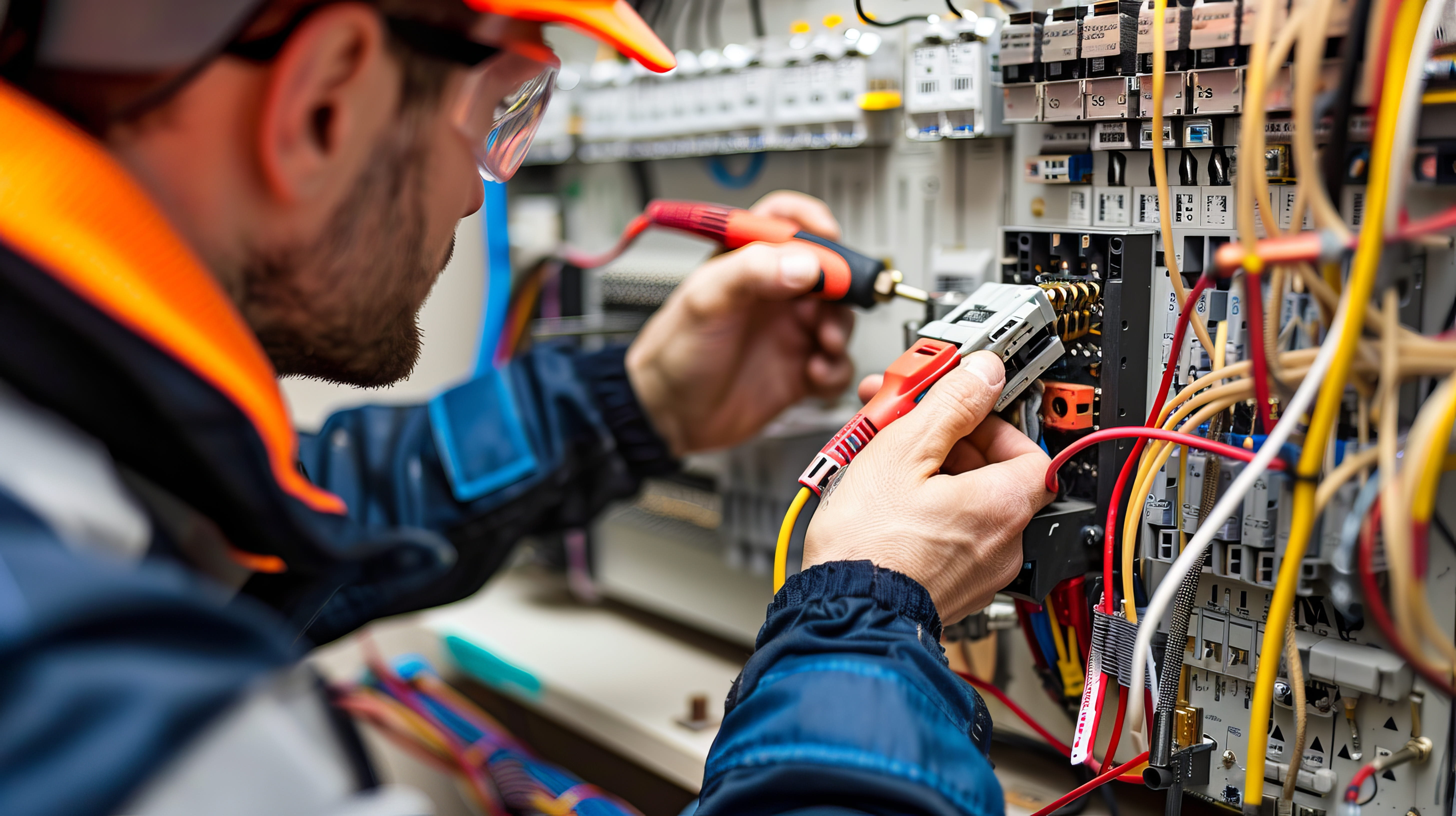
You should also arrange for a qualified electrician to inspect your household wiring every ten years, or whenever you move into a new property. A professional inspection will identify loose connections, testing the efficiency of your breakers and ensuring your earth connections remain secure.
If your home still uses an old-fashioned fuse box with replaceable wire fuses, you should strongly consider upgrading to a modern consumer unit. Modern units feature highly sensitive circuit breakers and residual current devices that provide vastly superior protection against overheating and electrical shocks.
Contact Big Green Electrical Today
Dealing with a hot circuit breaker can be a stressful and worrying experience for any homeowner. You should never take chances when it comes to the electrical safety of your property and the wellbeing of your family.
At Big Green Electrical, our team of fully qualified and highly experienced electricians is ready to resolve your electrical faults safely and efficiently. We possess the rigorous training required to diagnose overheating consumer units, replace faulty components, and ensure your home meets all current safety standards.
Do not wait for a minor overheating issue to develop into a major electrical fire. If you have any concerns about your circuit breakers, your consumer unit, or your general household wiring, contact Big Green Electrical today for expert advice and reliable professional service.