What Is Solar Energy and How Does It Work?
The sun gives us much more than just light and warmth. It provides a vast, endless supply of power that we can use to run our homes and businesses. Solar energy involves capturing this natural power and turning it into usable electricity or heat. As we look for cleaner ways to power our lives, solar technology has become a highly popular and practical choice.
Understanding solar power helps you make informed decisions about your own energy use. Here, we explain exactly what solar energy is and how the technology actually works to power your property.
The Science Behind Solar Energy
How do we turn sunlight into electricity? The process relies on something called the photovoltaic effect.
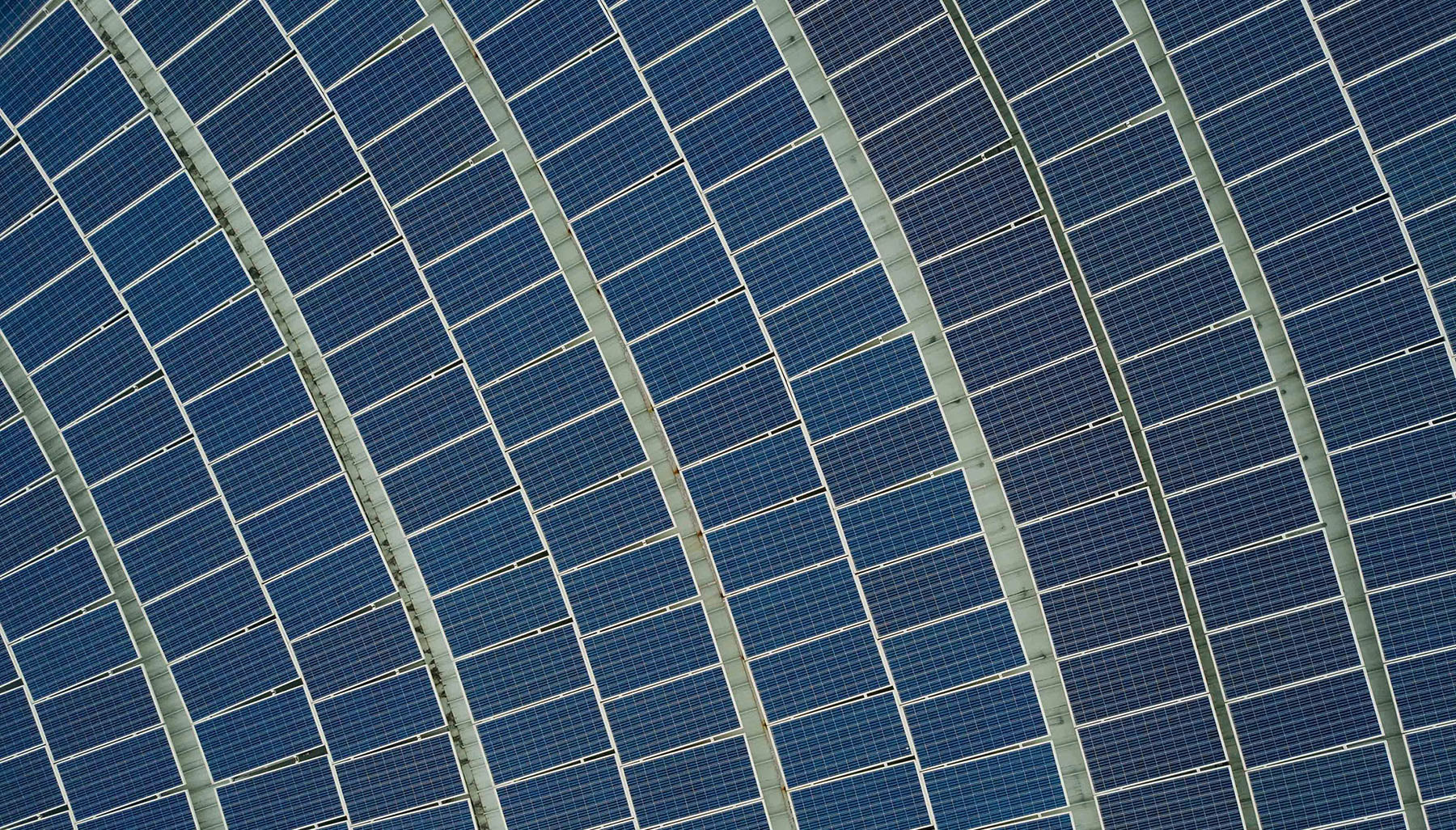
Most solar panels feature silicon, a material that acts as a semiconductor. When sunlight hits a solar panel, tiny particles of light called photons strike the silicon cells. This action knocks electrons loose from their atoms. These loose electrons then flow through the material to create a direct current (DC) of electricity.
However, your home cannot use DC electricity directly. To solve this, a device called an inverter changes this direct current into alternating current (AC). Alternating current is the exact type of electricity you use to power your lights, televisions, and kitchen appliances every day.
Types of Solar Technology
People use solar energy in a few different ways. Here are the two main types of technology you will commonly see on buildings:
Photovoltaic (PV) Systems
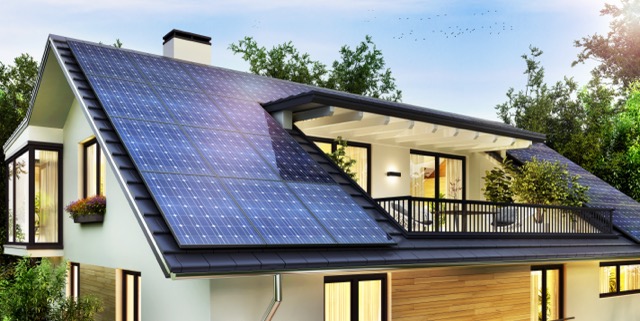
These are the standard solar panels you see on rooftops across the country. They generate electricity directly from sunlight. You can use this power right away, send the excess back to the national grid, or store it in a dedicated home battery to use after the sun goes down.
Solar Thermal Systems
Instead of making electricity, these systems capture the actual heat from the sun. You use this heat to warm up water for your taps and showers, or to help heat your entire house. Solar thermal panels often look slightly thicker than PV panels and contain tubes of fluid that absorb the heat.
The Benefits of Solar Energy
Switching to solar power offers several clear advantages for both your bank balance and the planet.
- Lower Energy Bills: Once you install solar panels, you generate your own electricity. This means you buy much less power from your energy supplier, which drastically reduces your monthly utility bills.
- Better for the Environment: Solar energy produces zero harmful emissions. By relying on the sun, we burn fewer fossil fuels and reduce the amount of greenhouse gases released into the air.
- A Truly Renewable Source: We will never run out of sunlight. Unlike coal or gas, the sun offers a steady, reliable supply of energy that renews itself every single day.
- Low Maintenance Requirements: Solar systems have very few moving parts. After the initial installation, they require very little upkeep to keep running smoothly. A simple clean once a year is usually enough to keep them working at full capacity for decades.
Conclusion
Solar energy provides a smart, clean way to power our daily routines. By understanding how the technology catches and converts sunlight, you can easily see why so many people are making the switch to renewable power. The sun offers an endless supply of free energy right above our heads. Capturing that power helps you save money while actively protecting the environment for future generations.